Today, the Ohrdruf military training area is a place of remembrance of the National Socialist satellite camp S III – and at the same time continues to be a military site used by the Bundeswehr. The choice of this site for an art project in memory of the victims is linked to its profound historical significance.
The site was already used for military purposes during the First World War. After the dissolution of the prisoner-of-war camps in 1916, it was put to permanent military use. During the National Socialist era, in addition to military facilities, a military training camp for the Hitler Youth was also established there.
In November 1944, the SS quickly took over the entire area from the Wehrmacht and set up a subcamp of Buchenwald concentration camp – the so-called S III subcamp. It consisted of several parts: the former military training camp became the North Camp, while the converted horse stables in the main camp area became the South Camp.
The first prisoners arrived on November 6, 1944. Within a few weeks, their number rose to over 10,000, and by the end of March 1945, around 20,000 people were housed in the camps and forced to work – mainly in tunnel construction in the Jonastal valley.
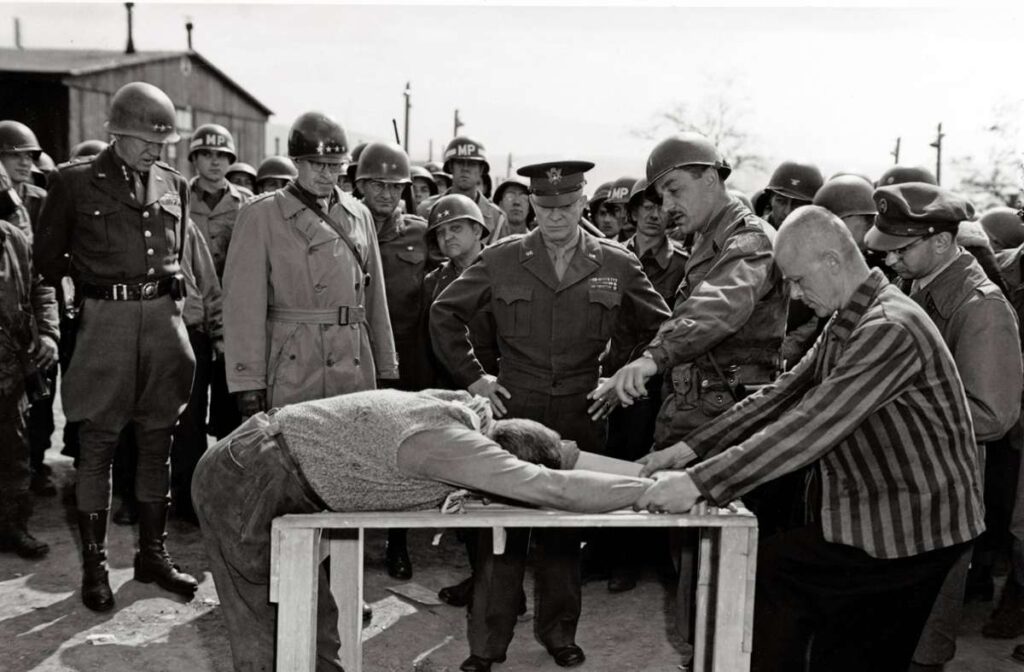
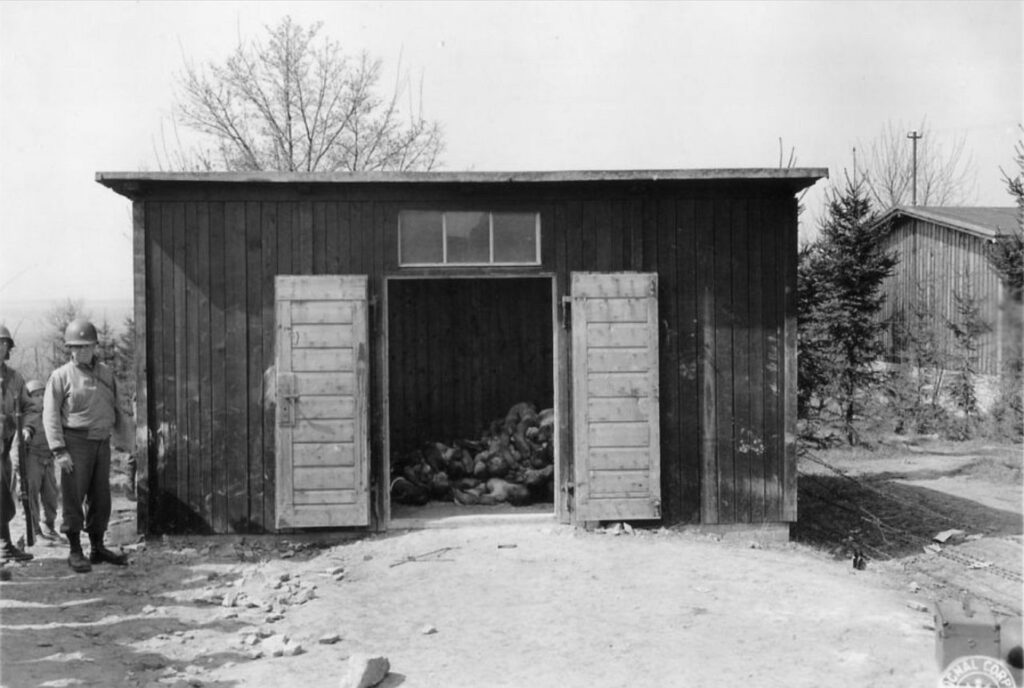
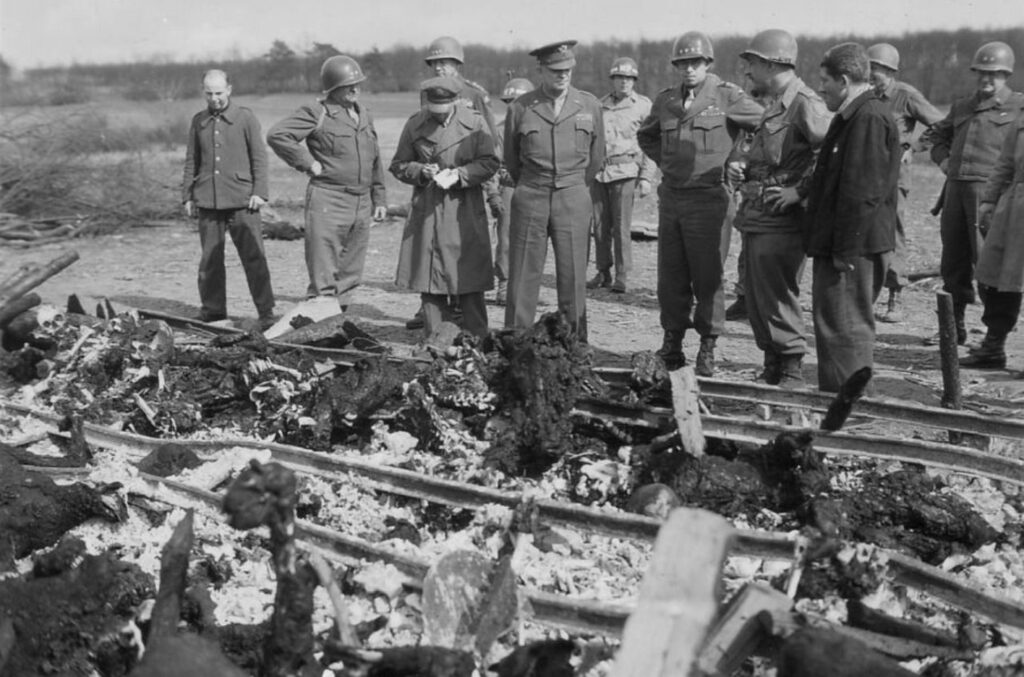
The conditions in the camp were catastrophic: a lack of food, bitter cold, unsanitary conditions and brutal violence characterized everyday life. Those who were too weak to work were transferred to a so-called sick camp – a former horse stable where people were left to die without medical care. The bodies were piled up in barracks and finally buried in mass graves on the Hainberg.
According to estimates, at least 6,000 prisoners died in the S III camp complex. The exact number remains unclear due to the chaotic camp management.
After the war, Soviet troops initially used the site, later the NVA took over, and after 1993 finally the Bundeswehr, which still uses the military training area today. The site remains a restricted military area and is only accessible as part of guided tours and commemorative events.
A memorial on site as well as reconstructed elements – such as the floor plan of a barrack – remind us today of the suffering of the prisoners and the crime that took place here. The site is both a warning and a mission: to make history visible and to preserve the memory of the victims. That is why we erected the first sculpture group of the “Path of Remembrance” here.