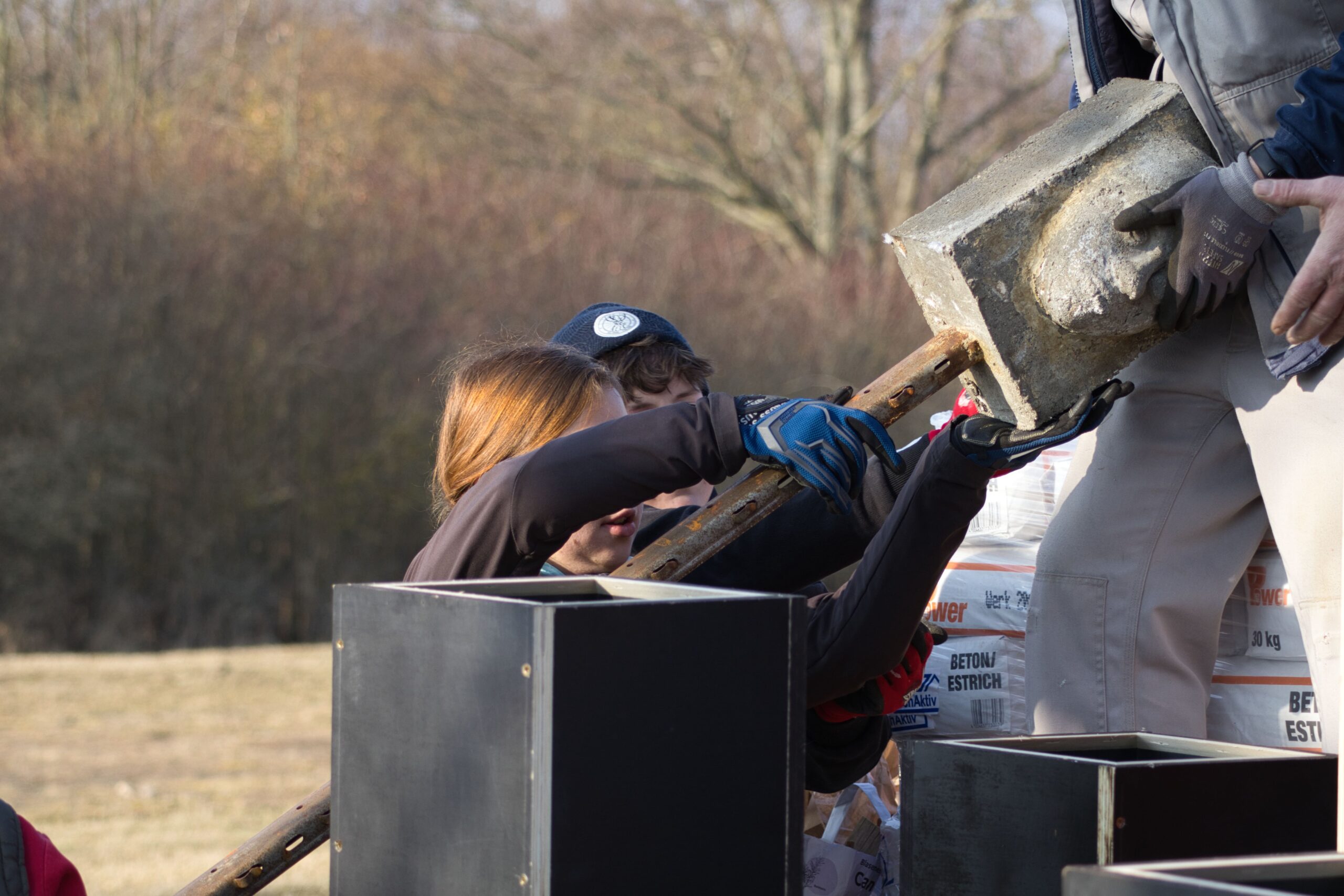
"Encounter" - figure groups made of concrete

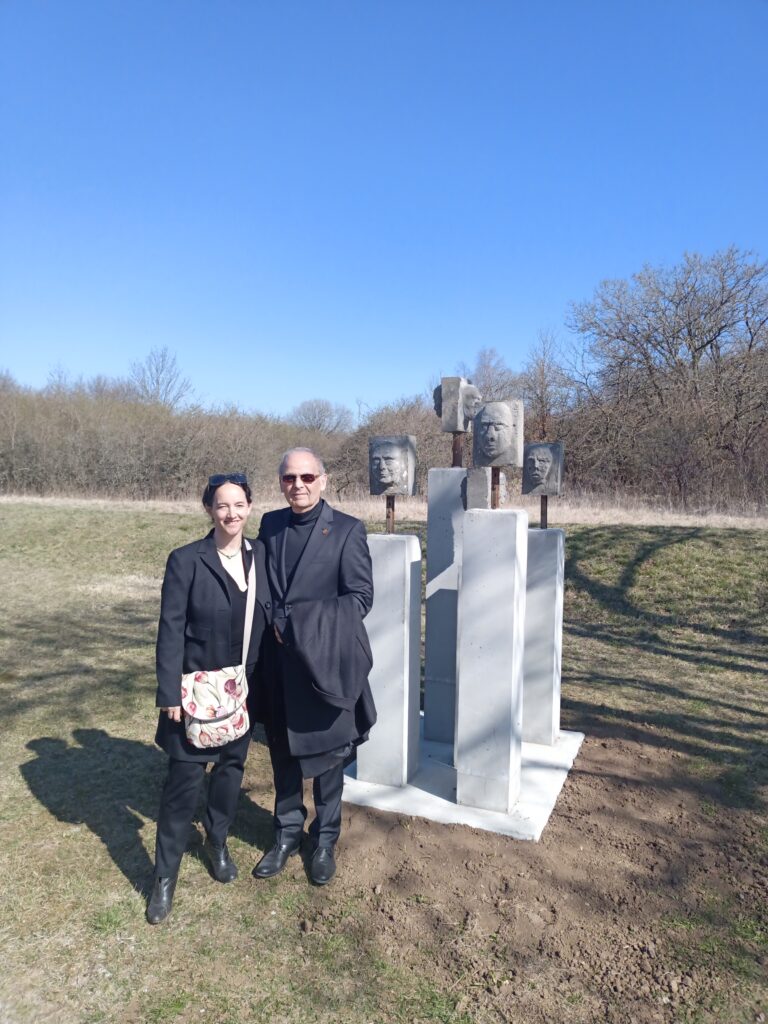
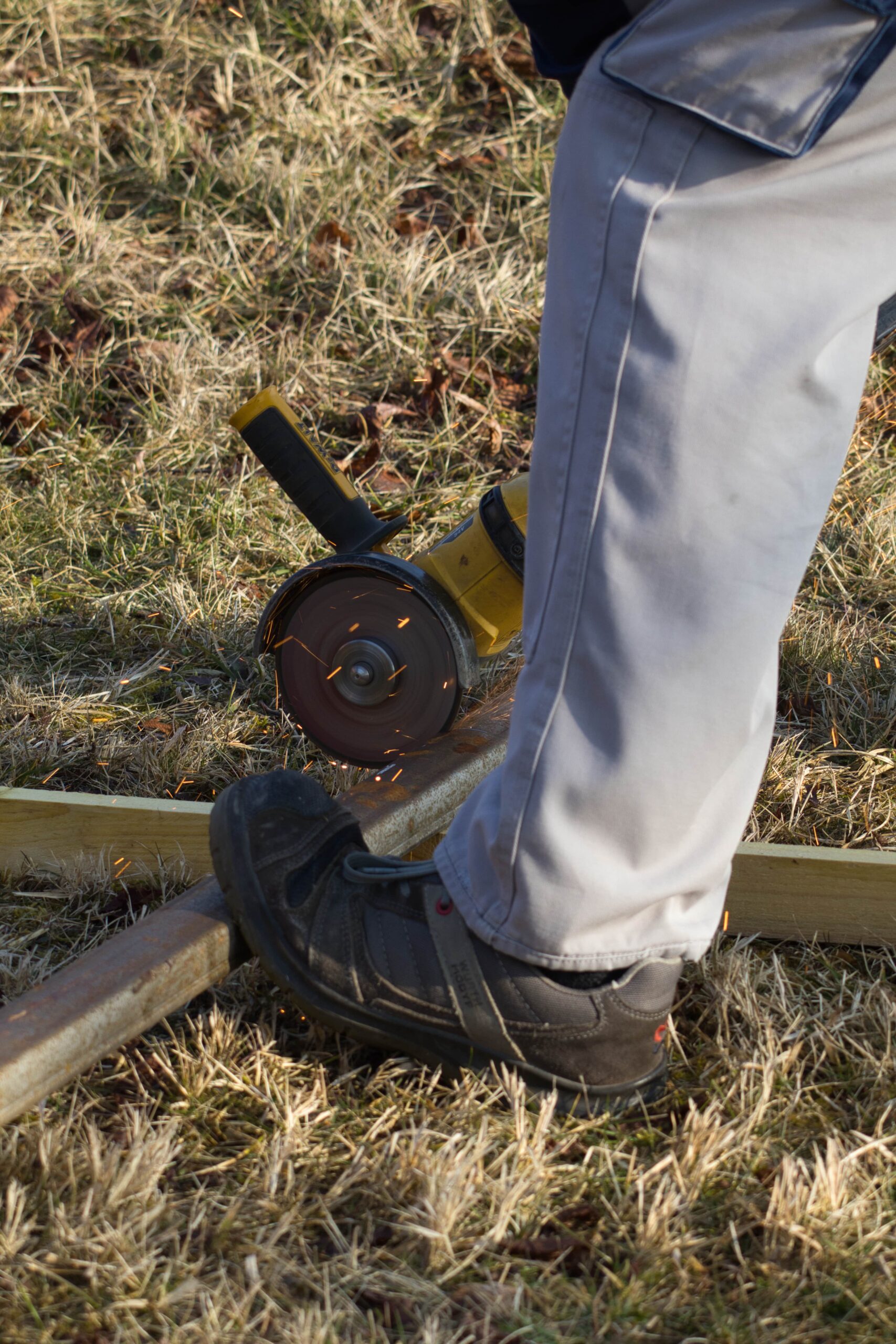
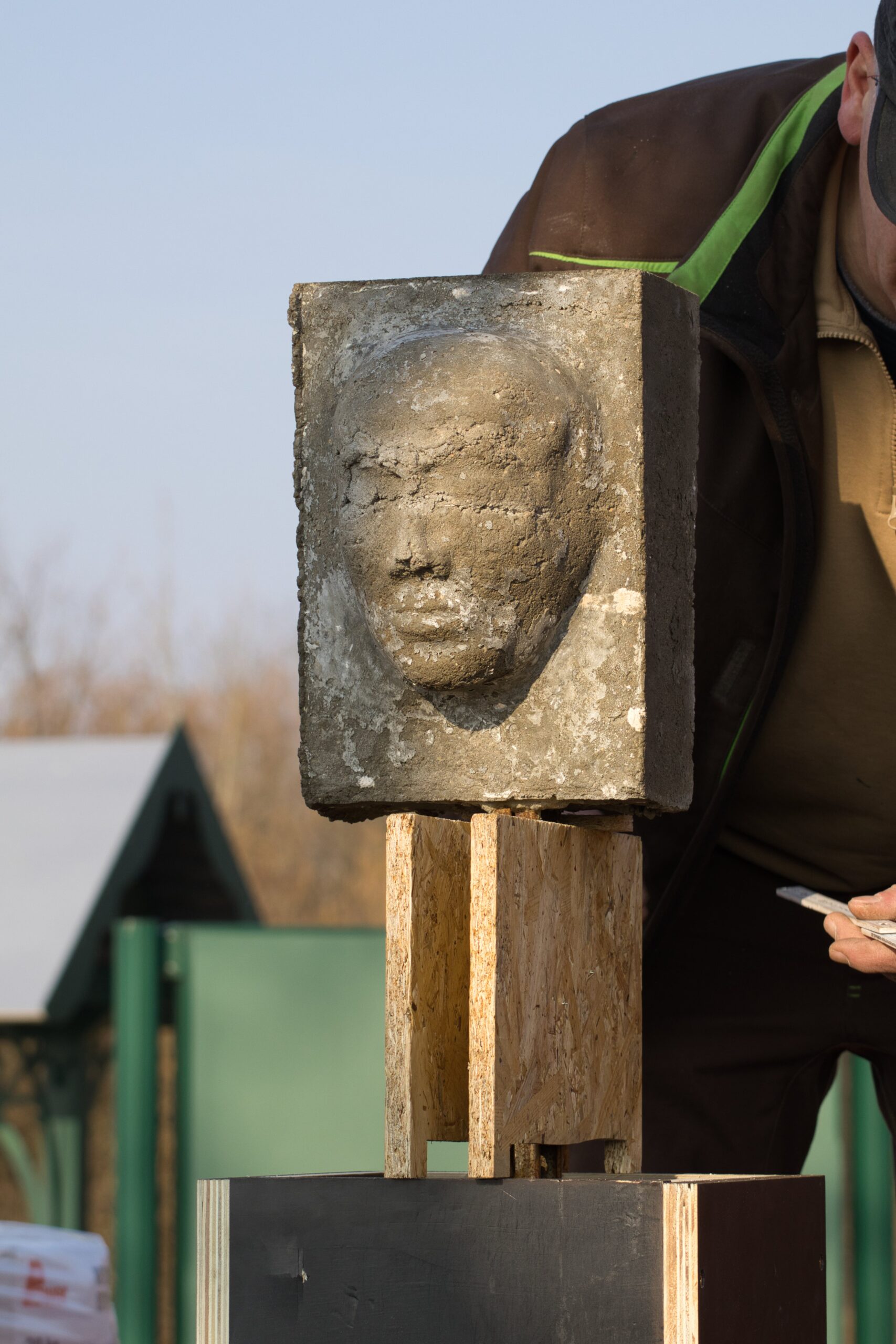
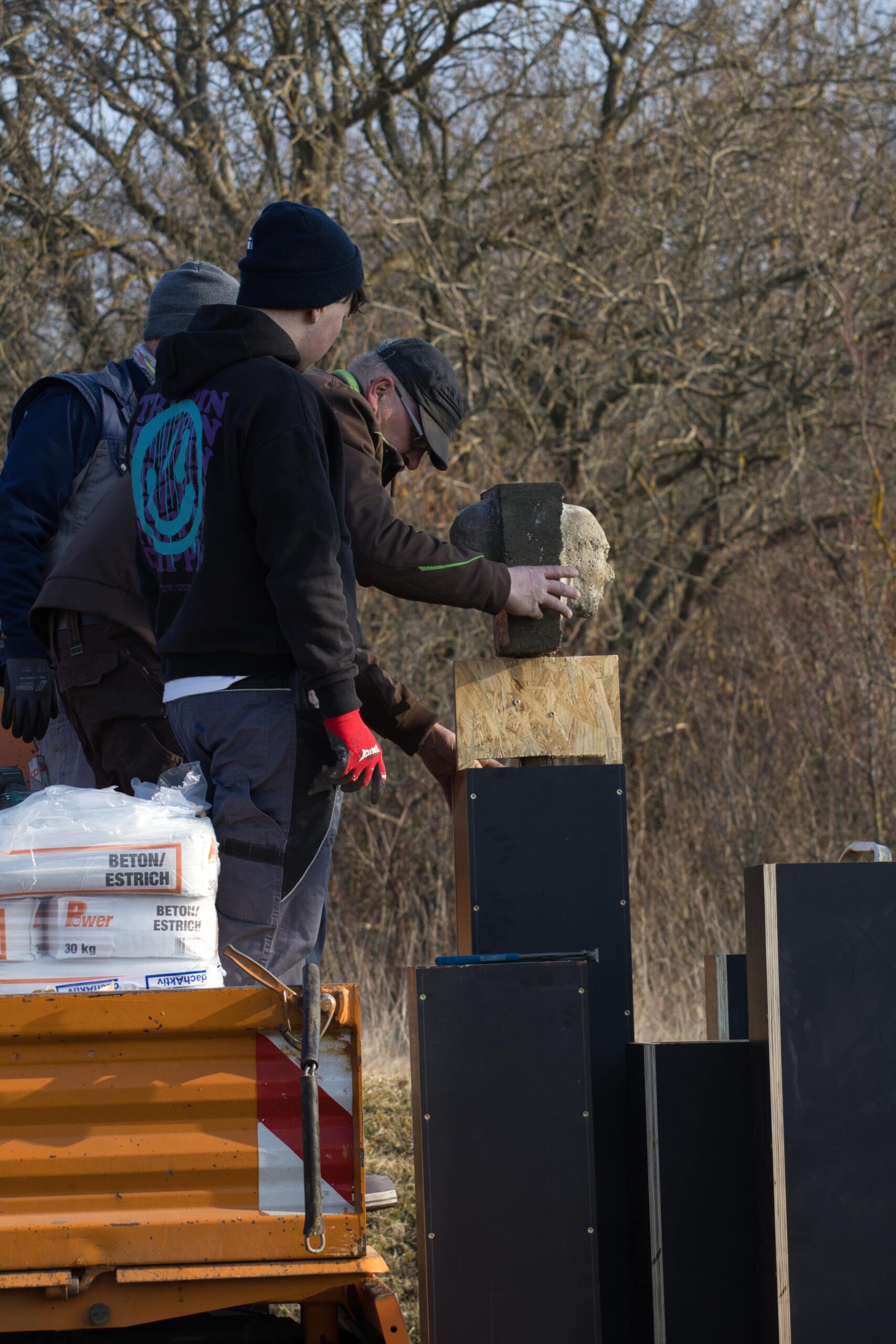
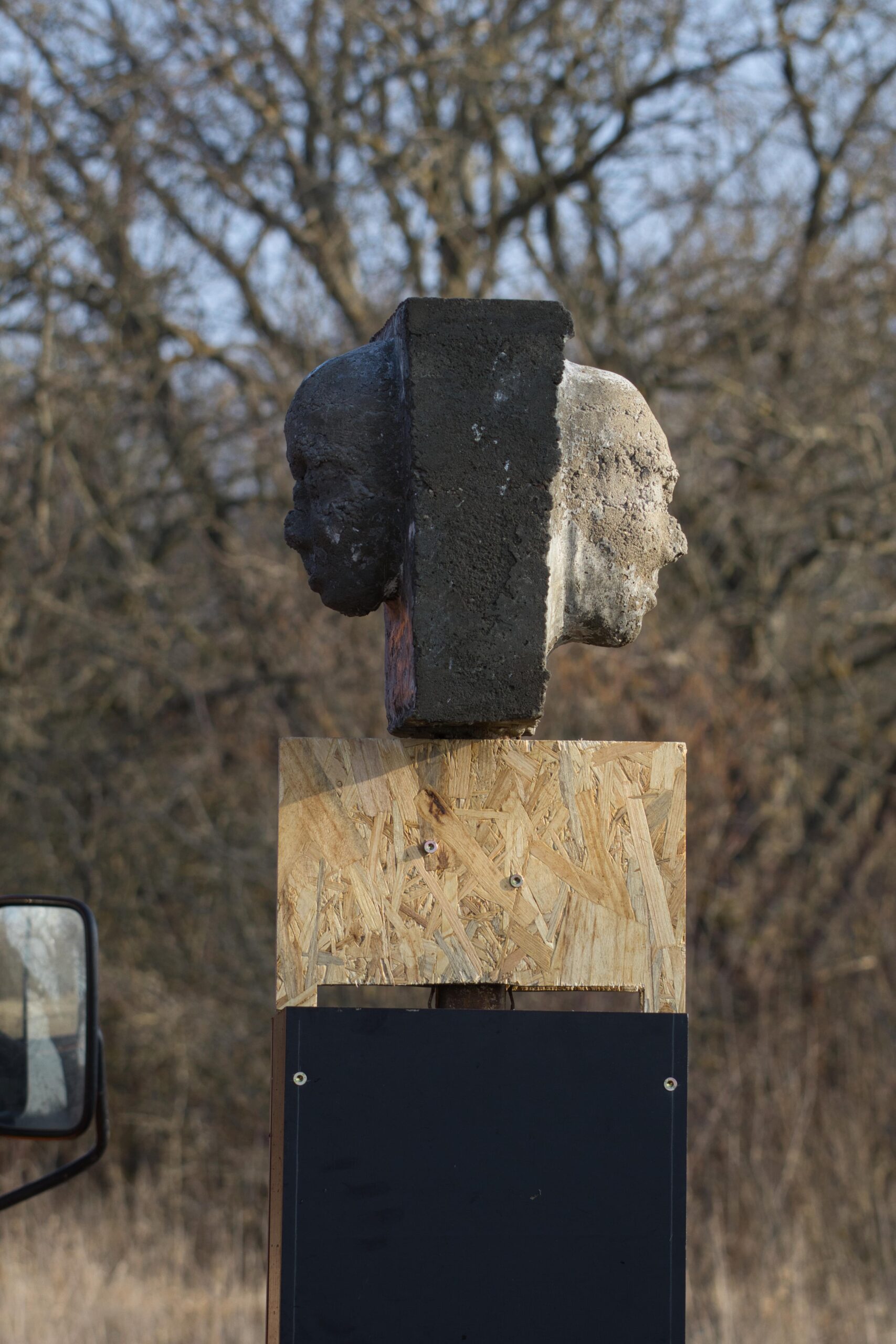
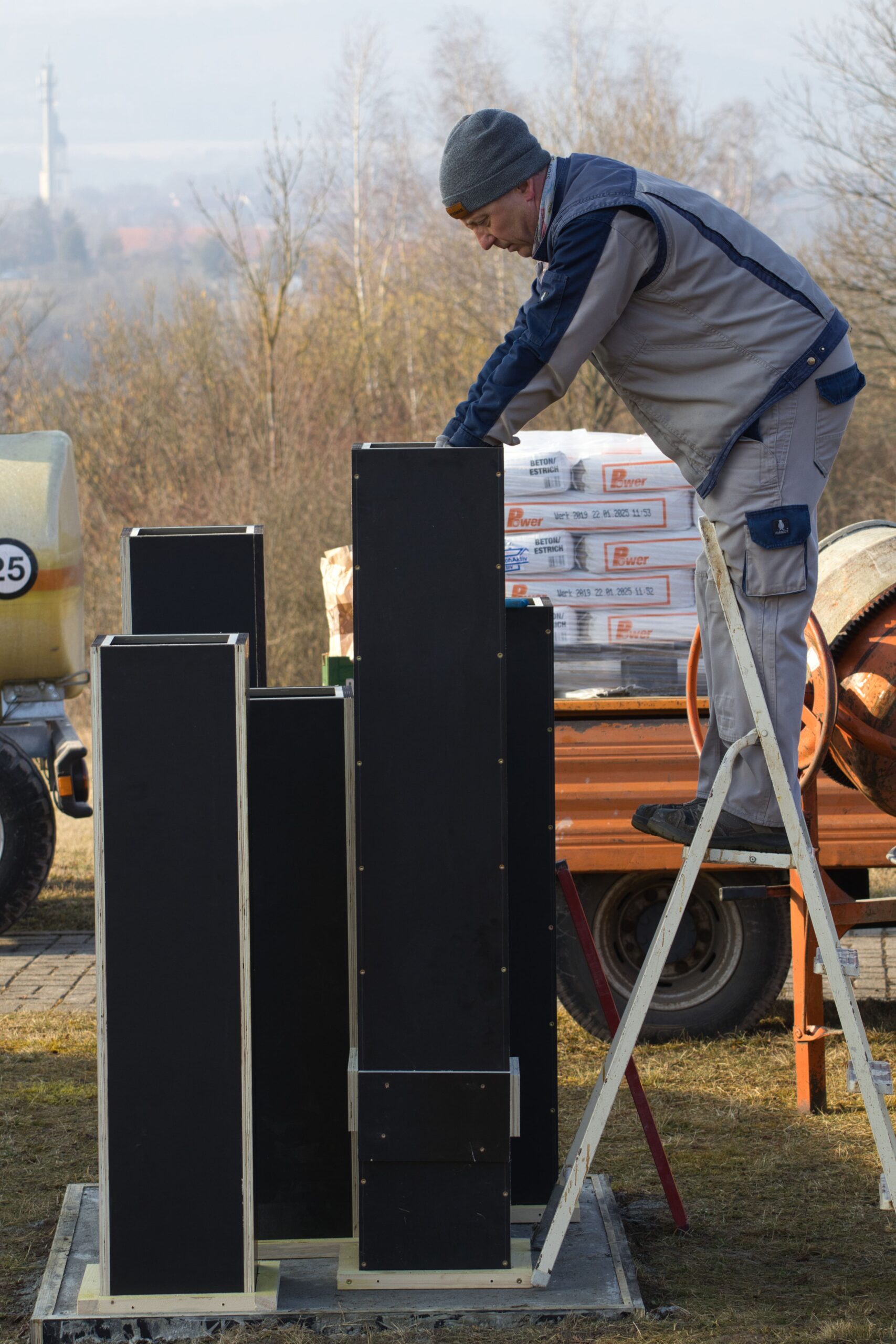
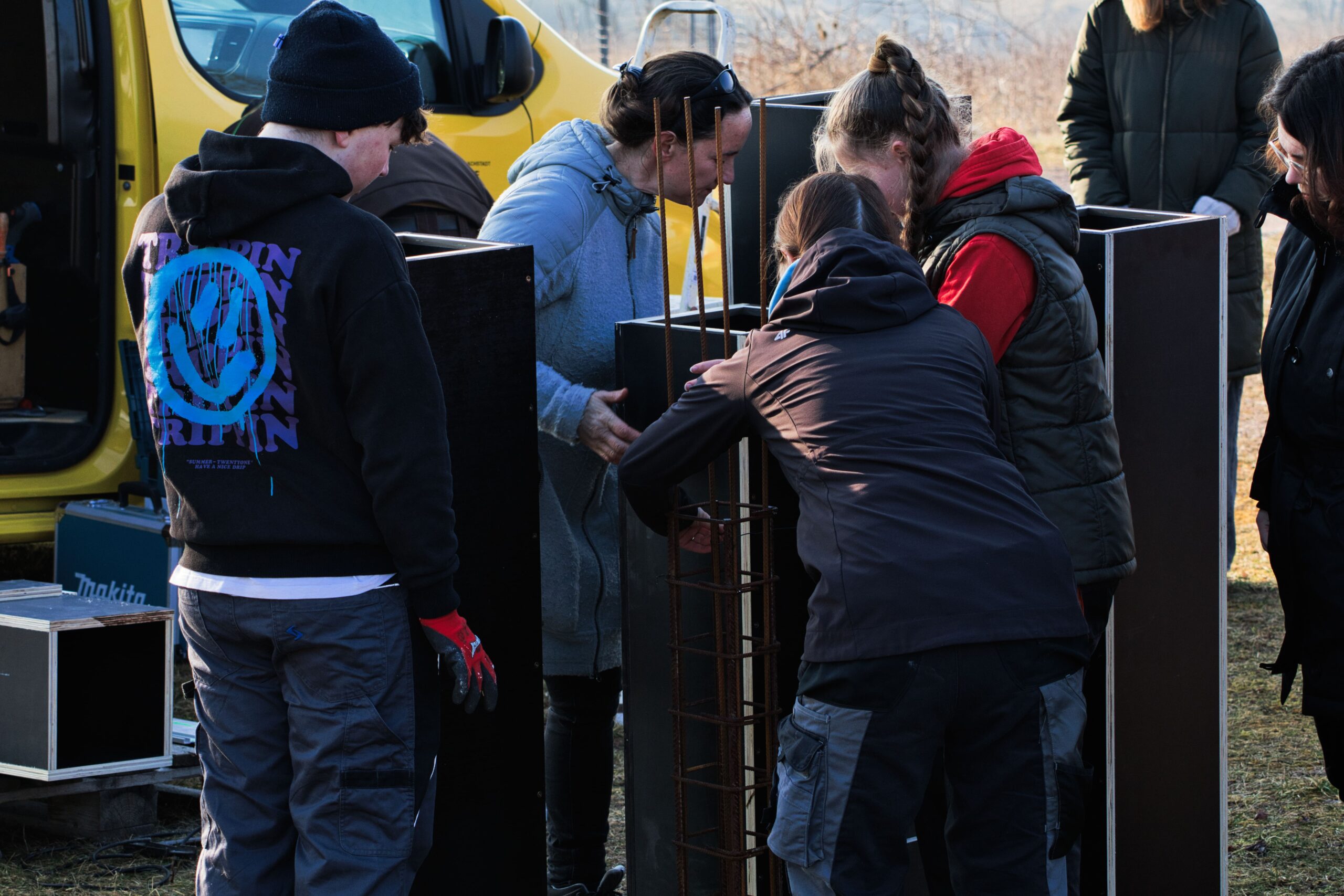
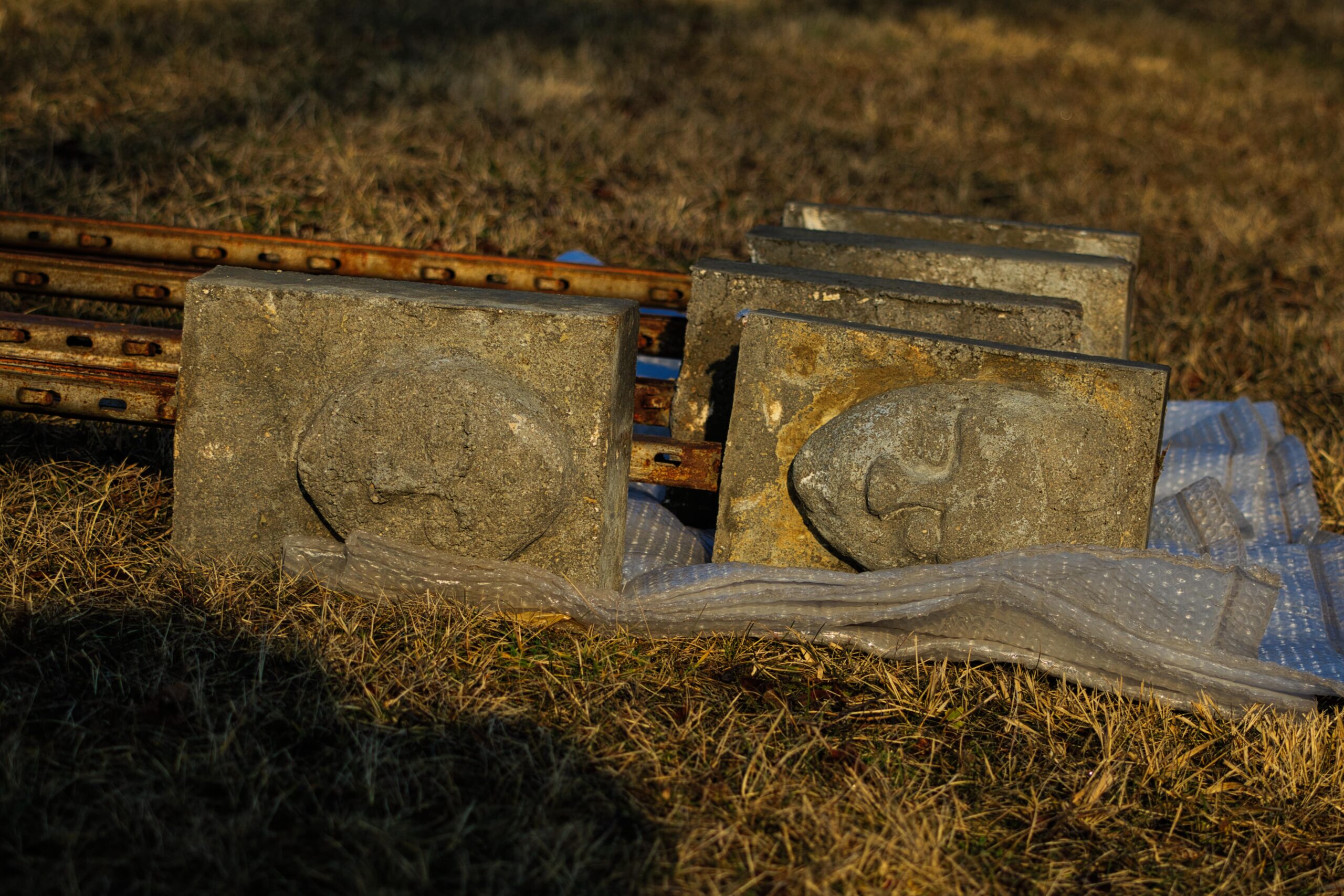
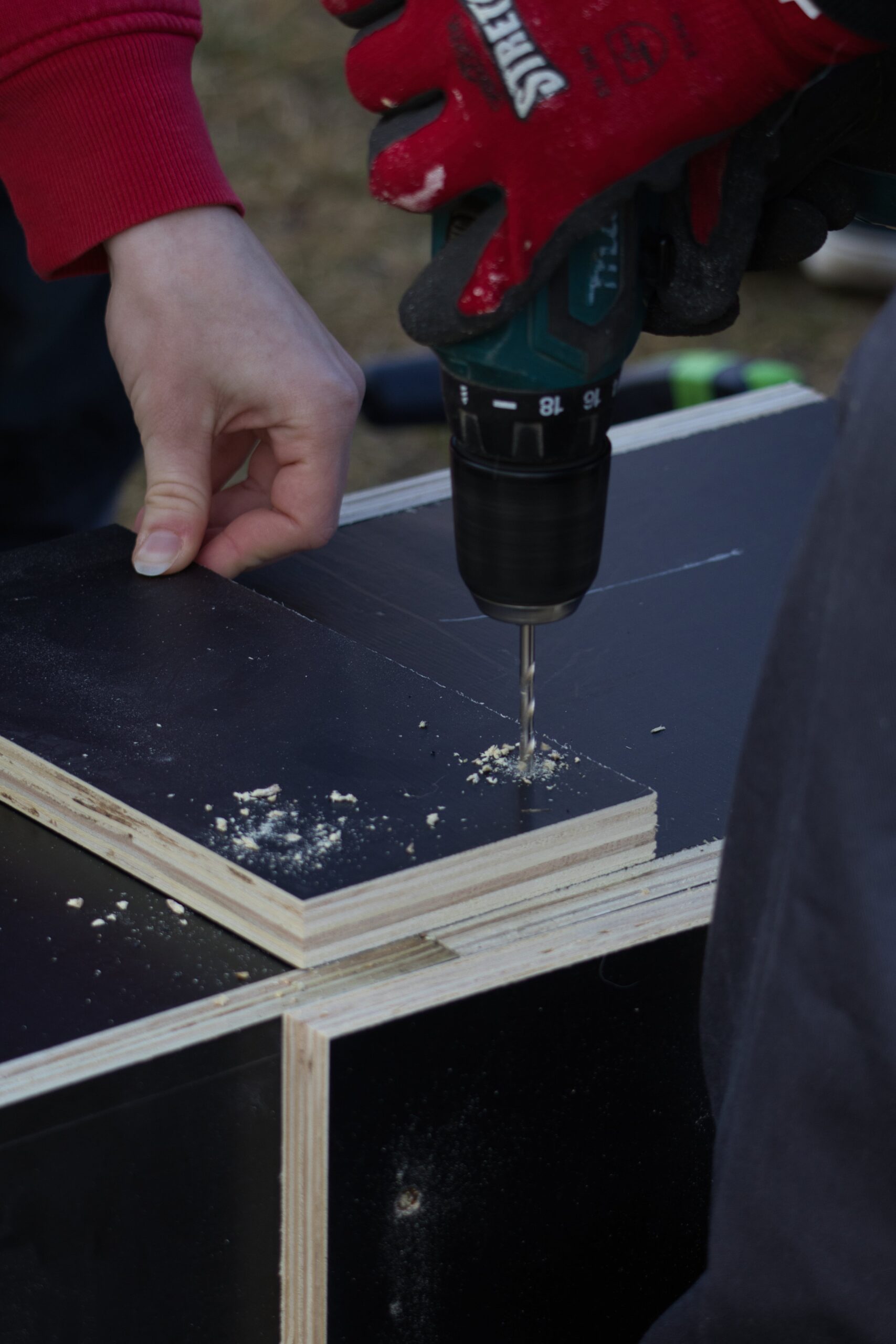
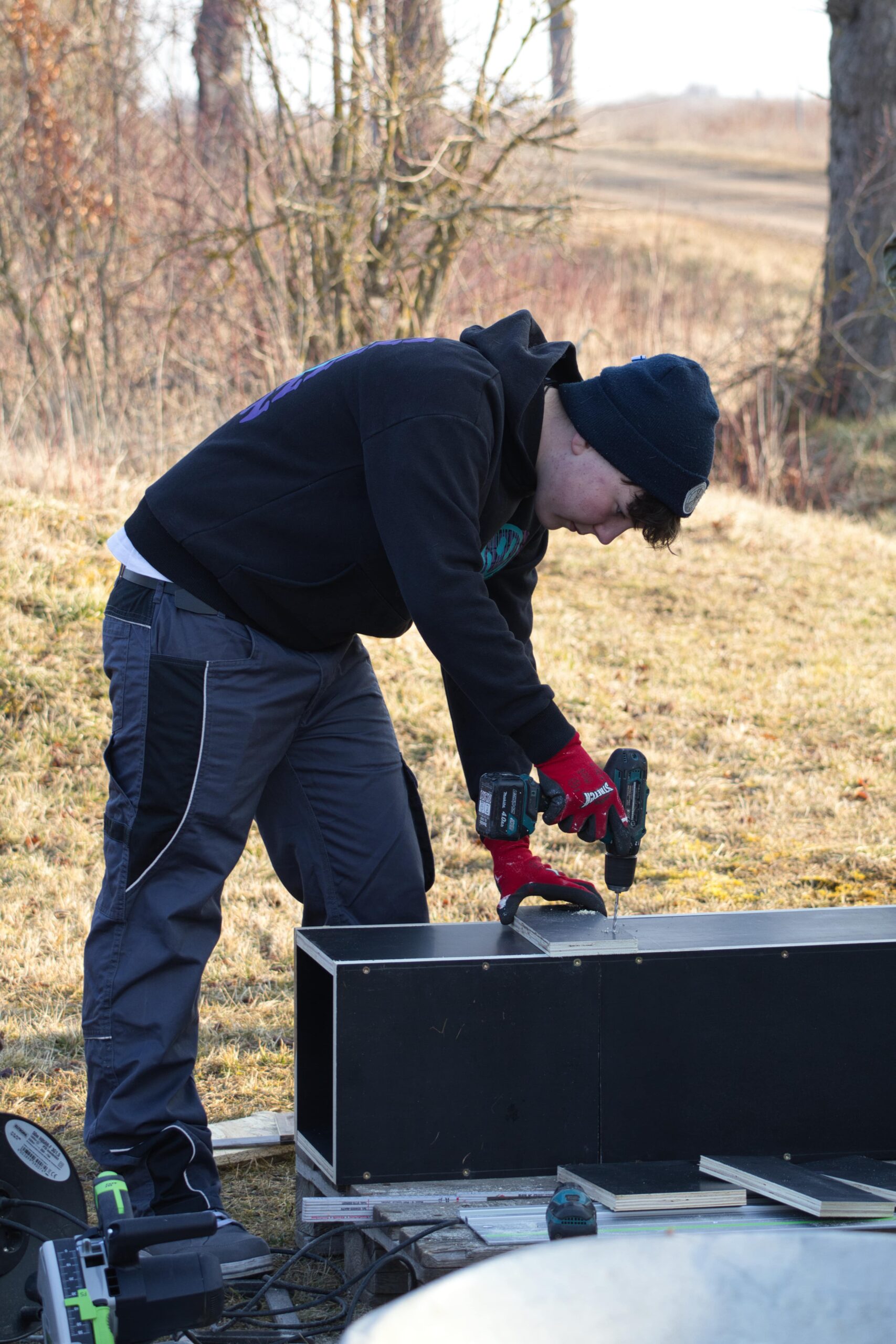
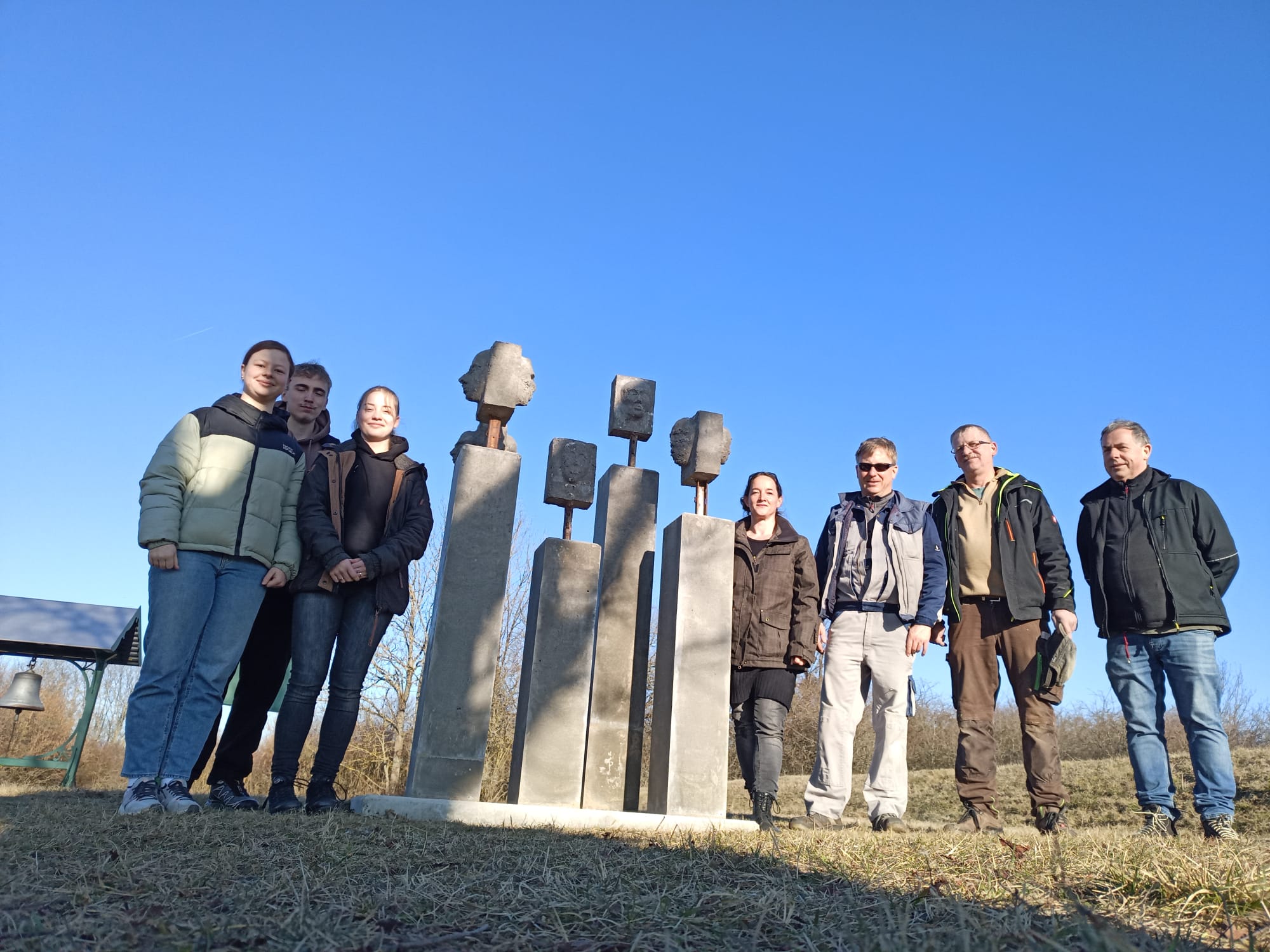
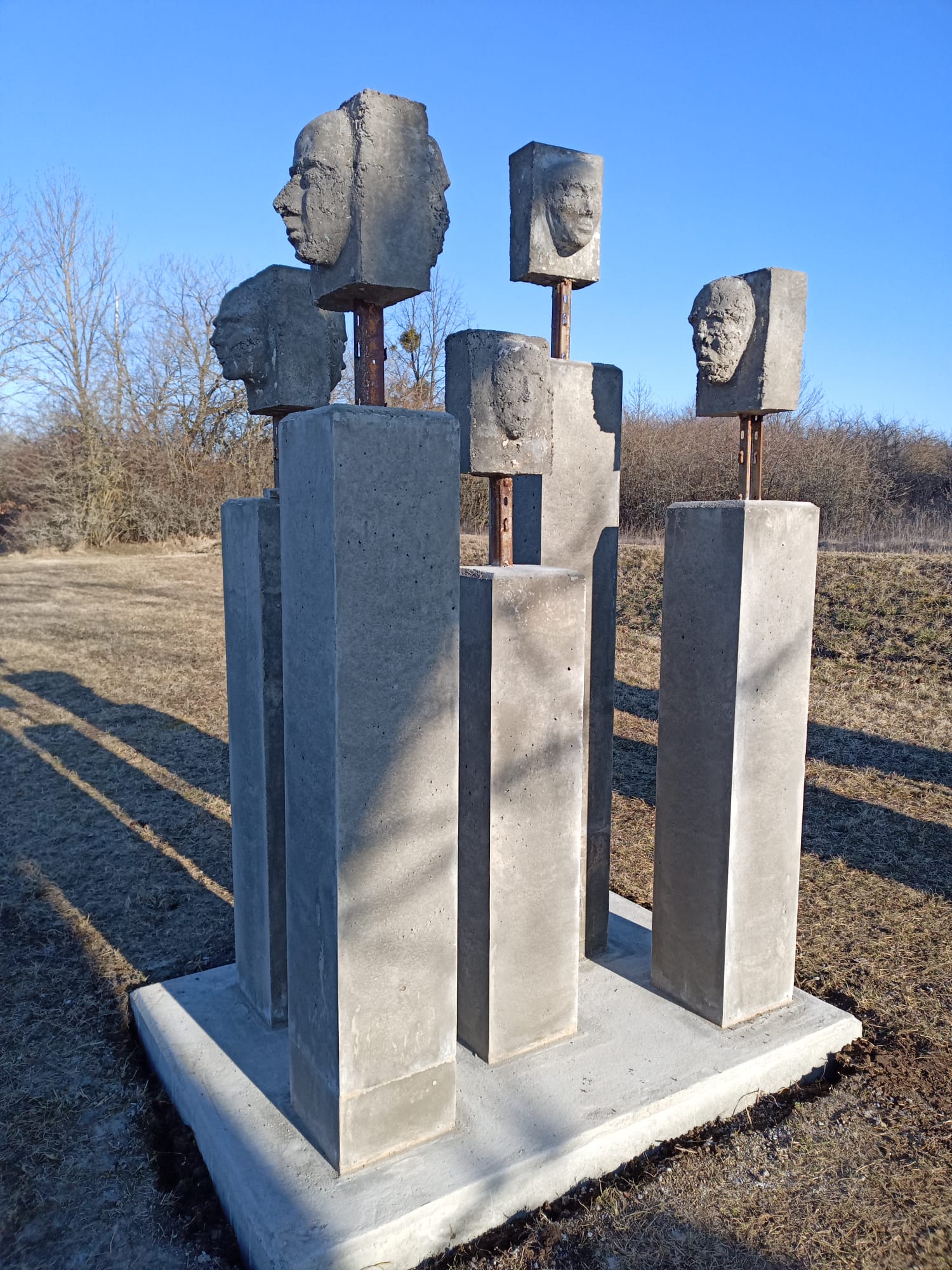
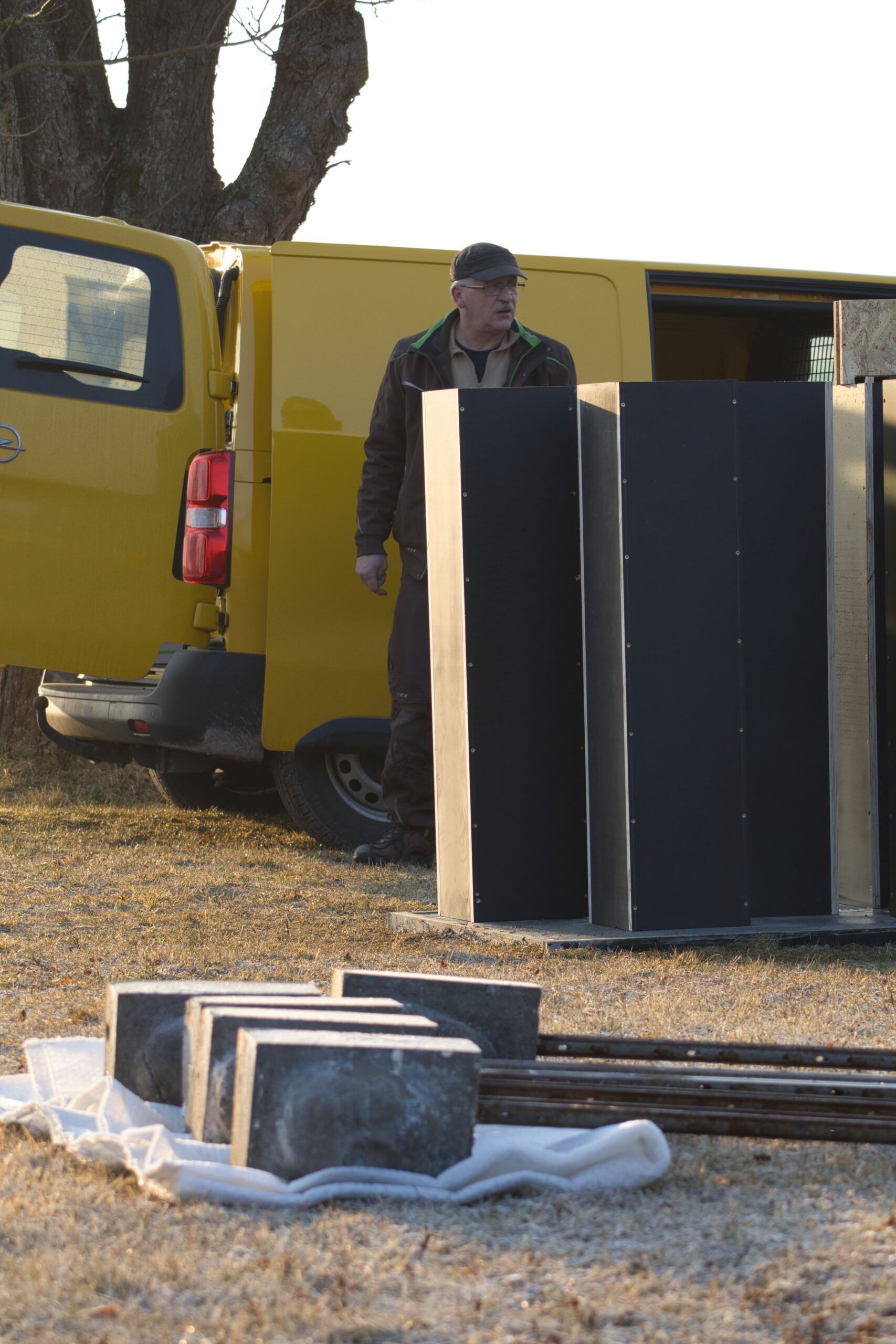
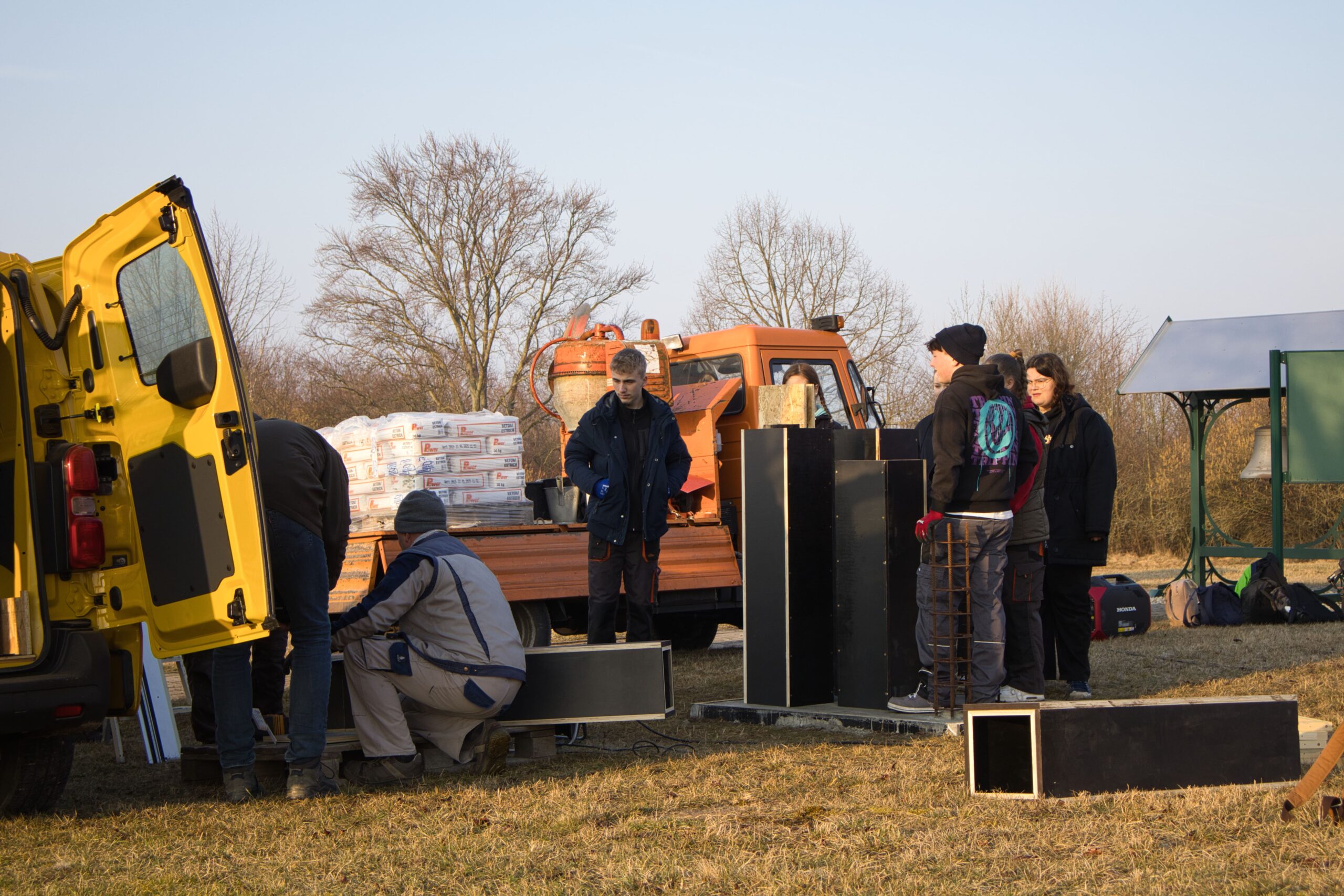
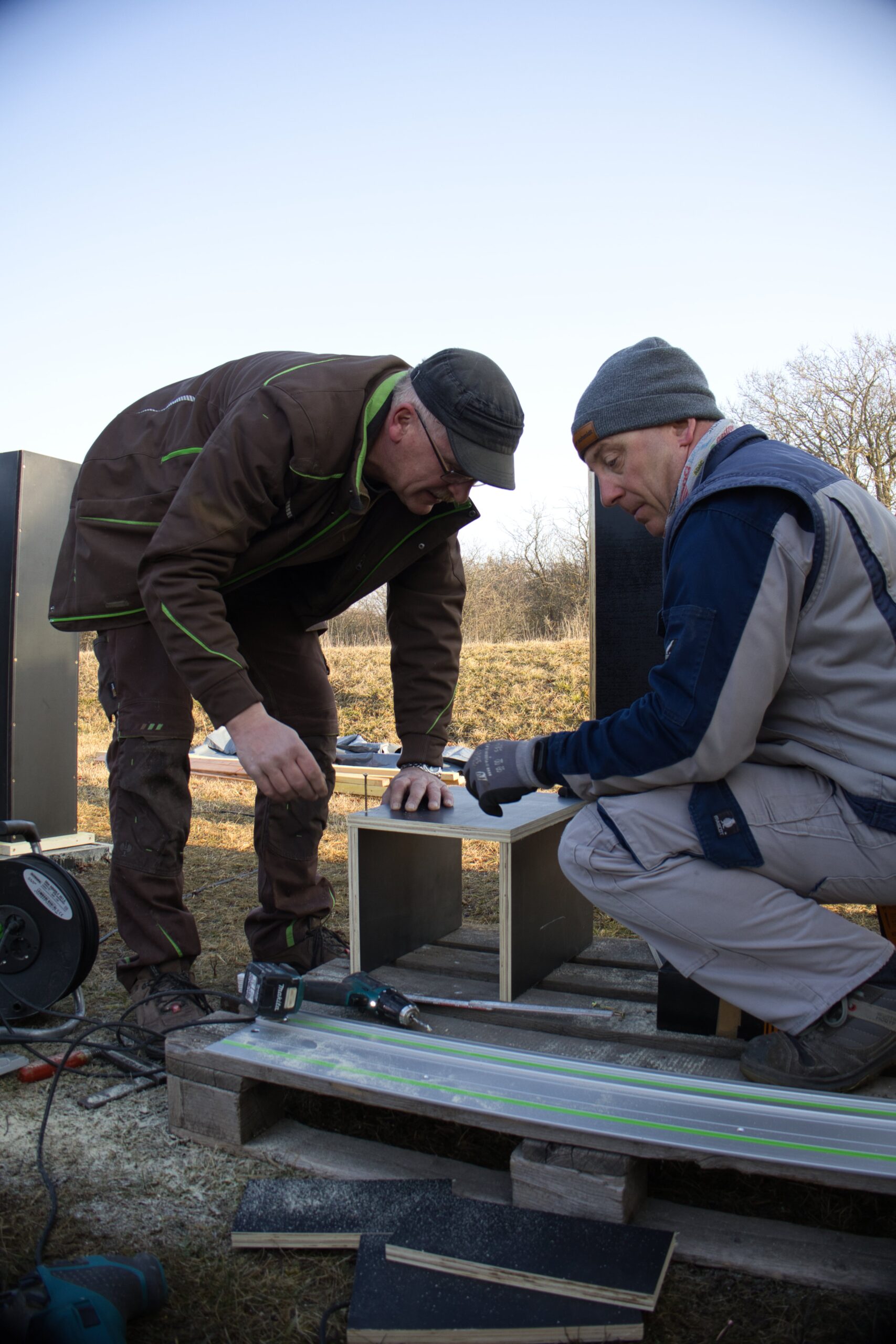
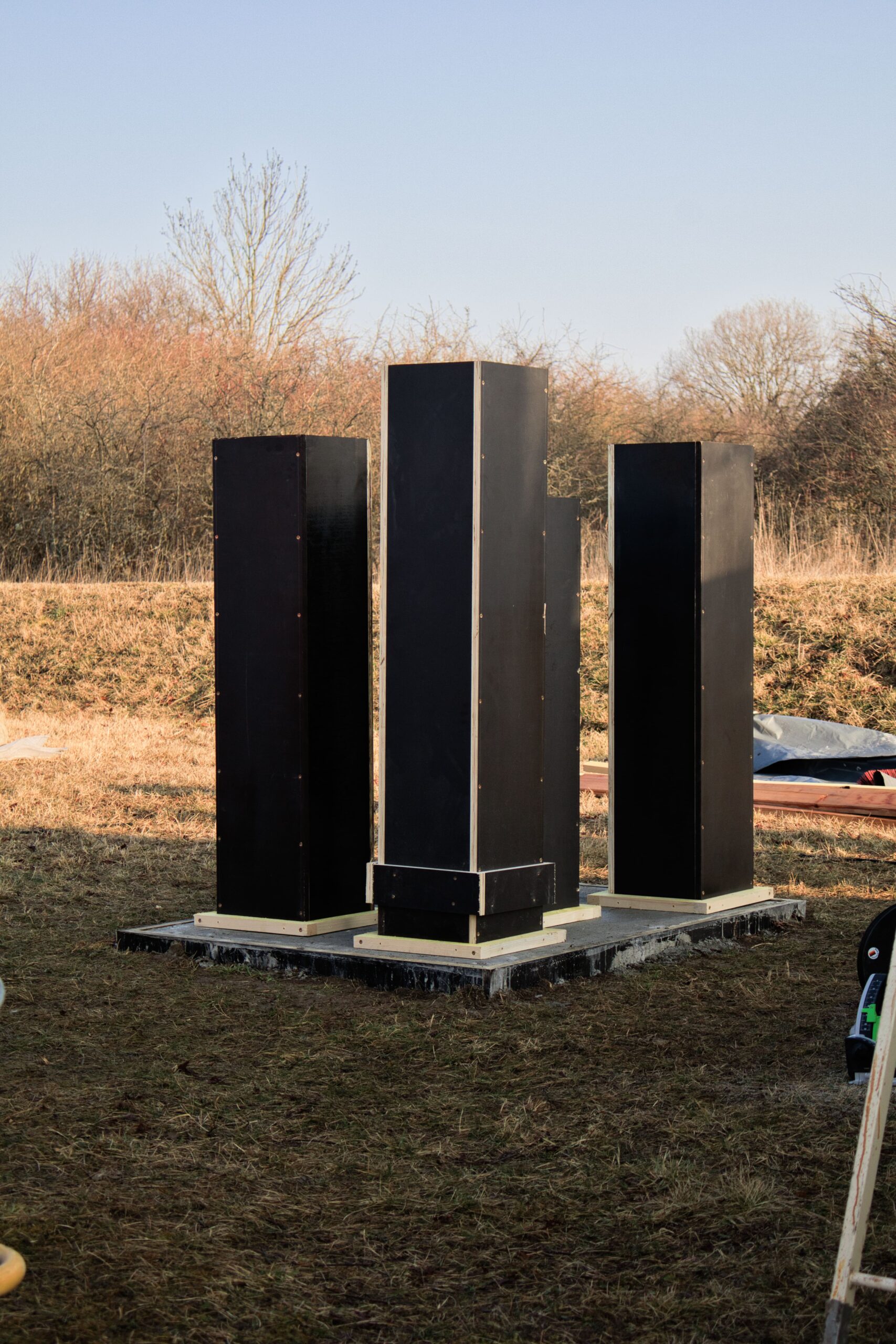
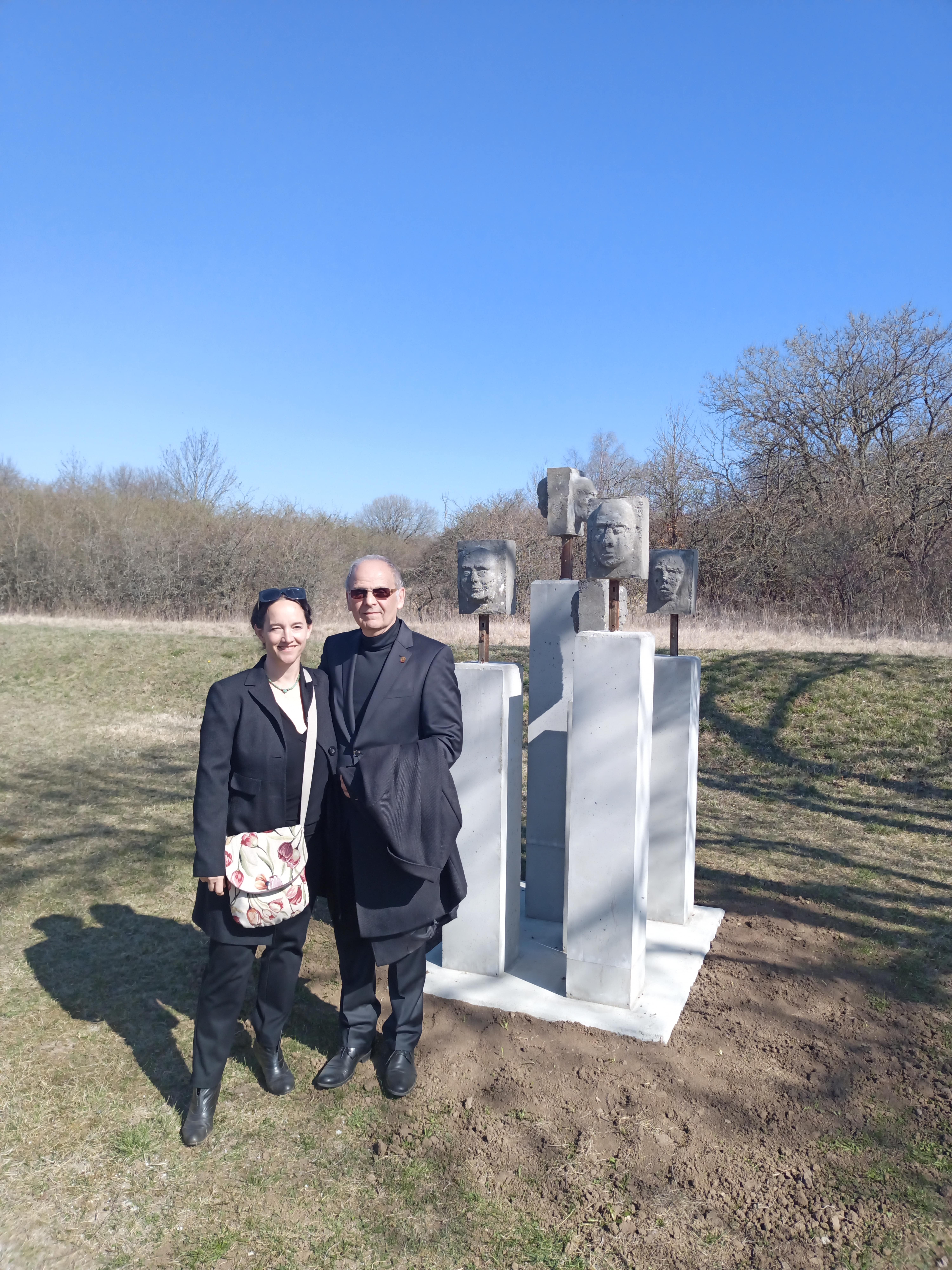
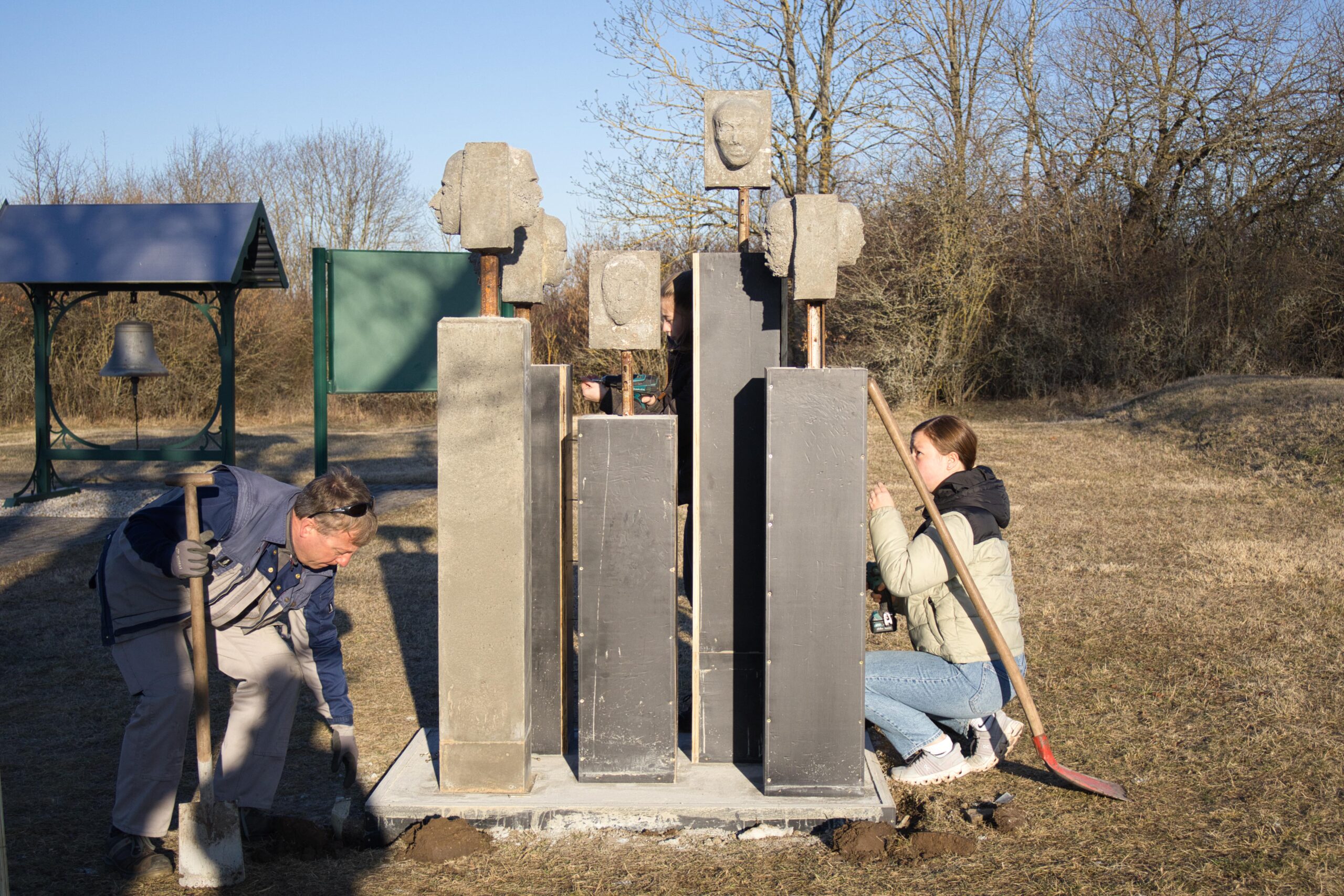
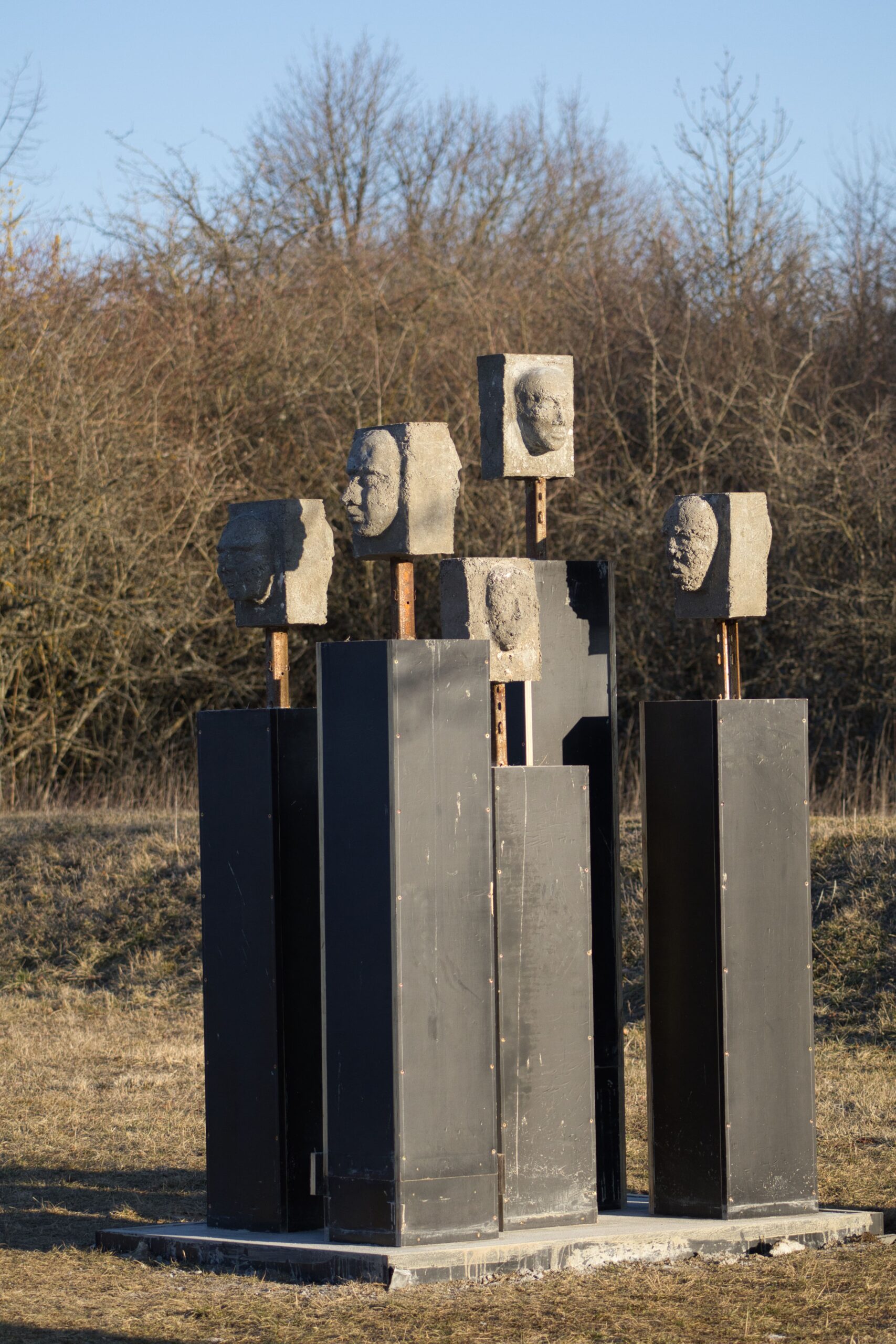
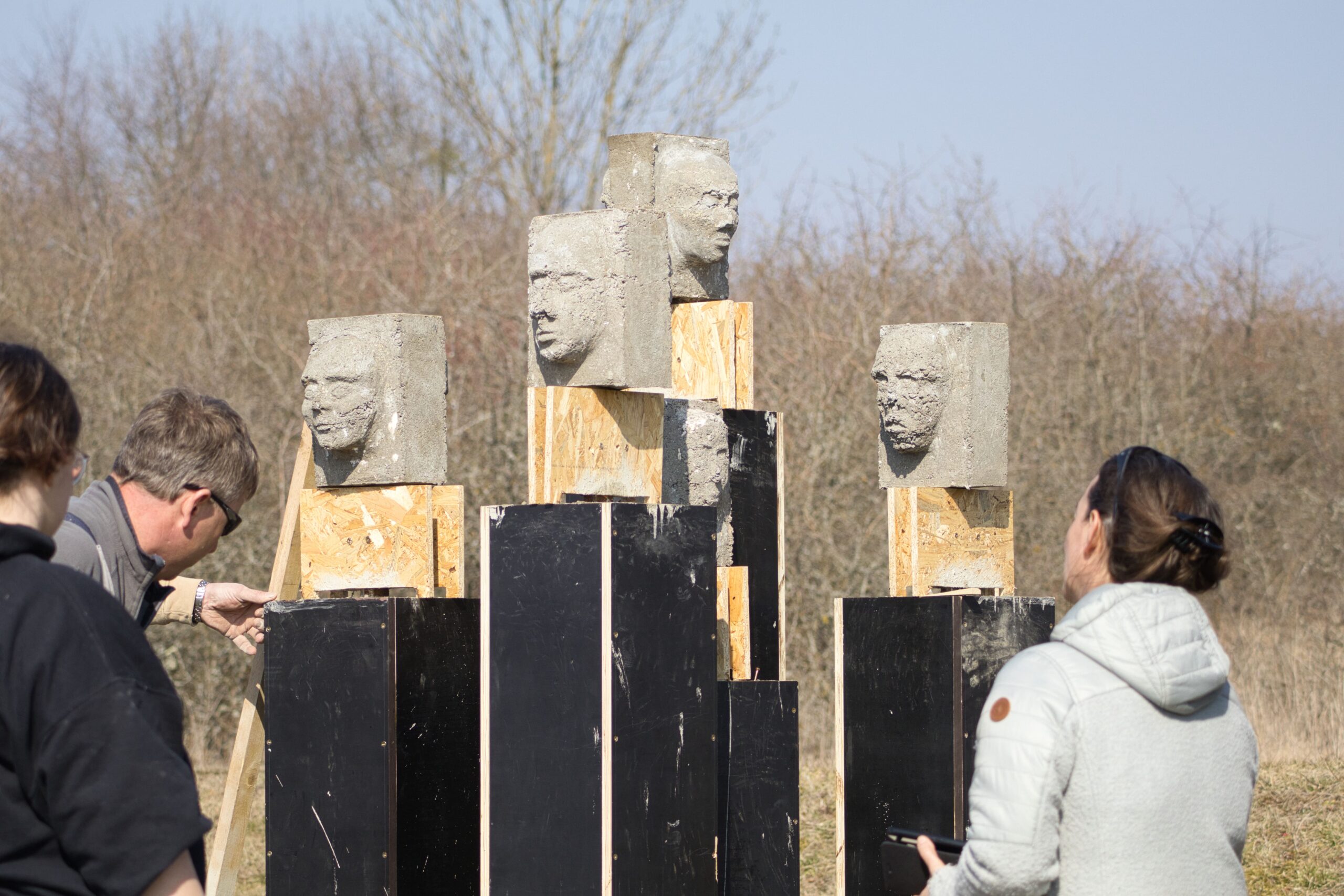
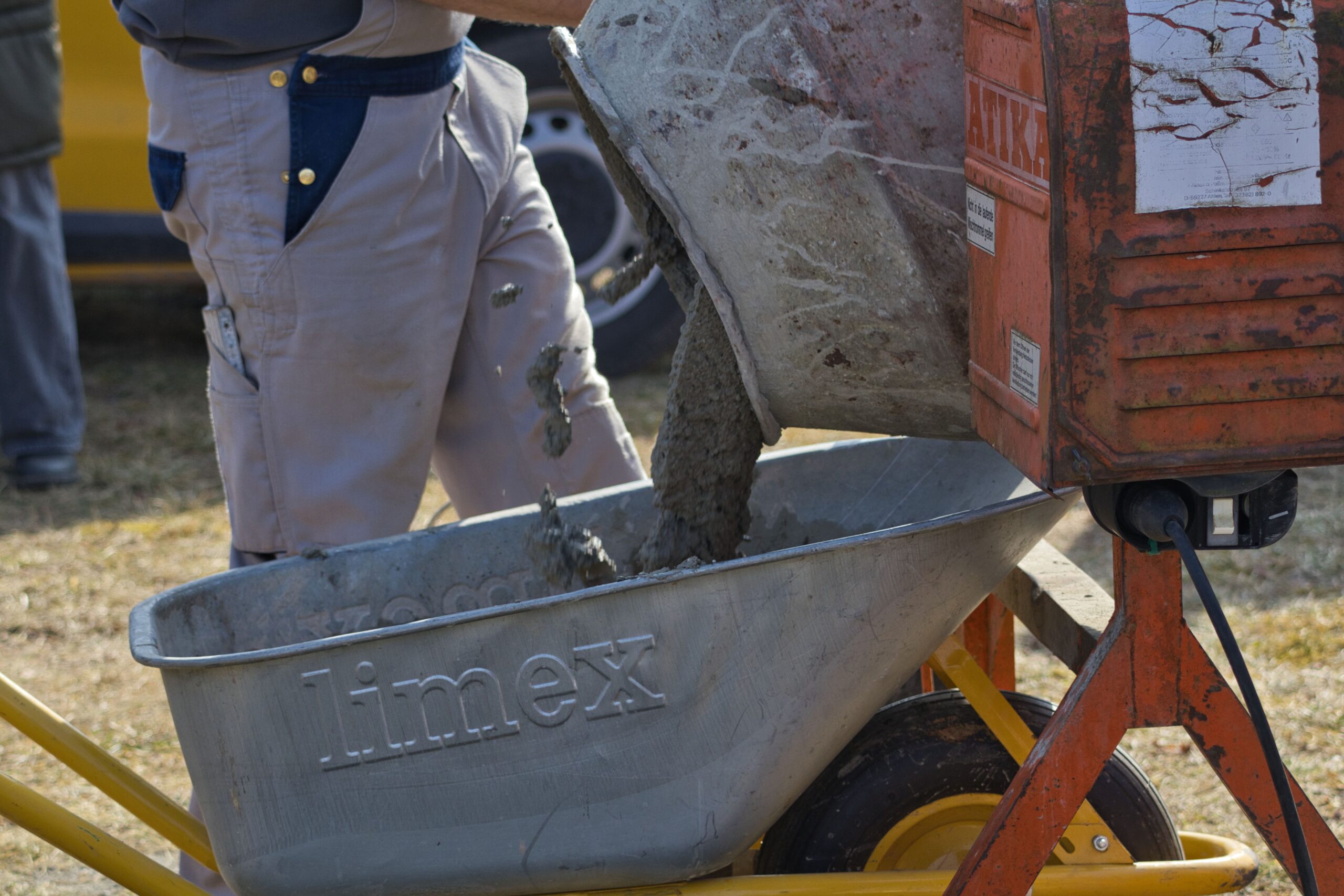
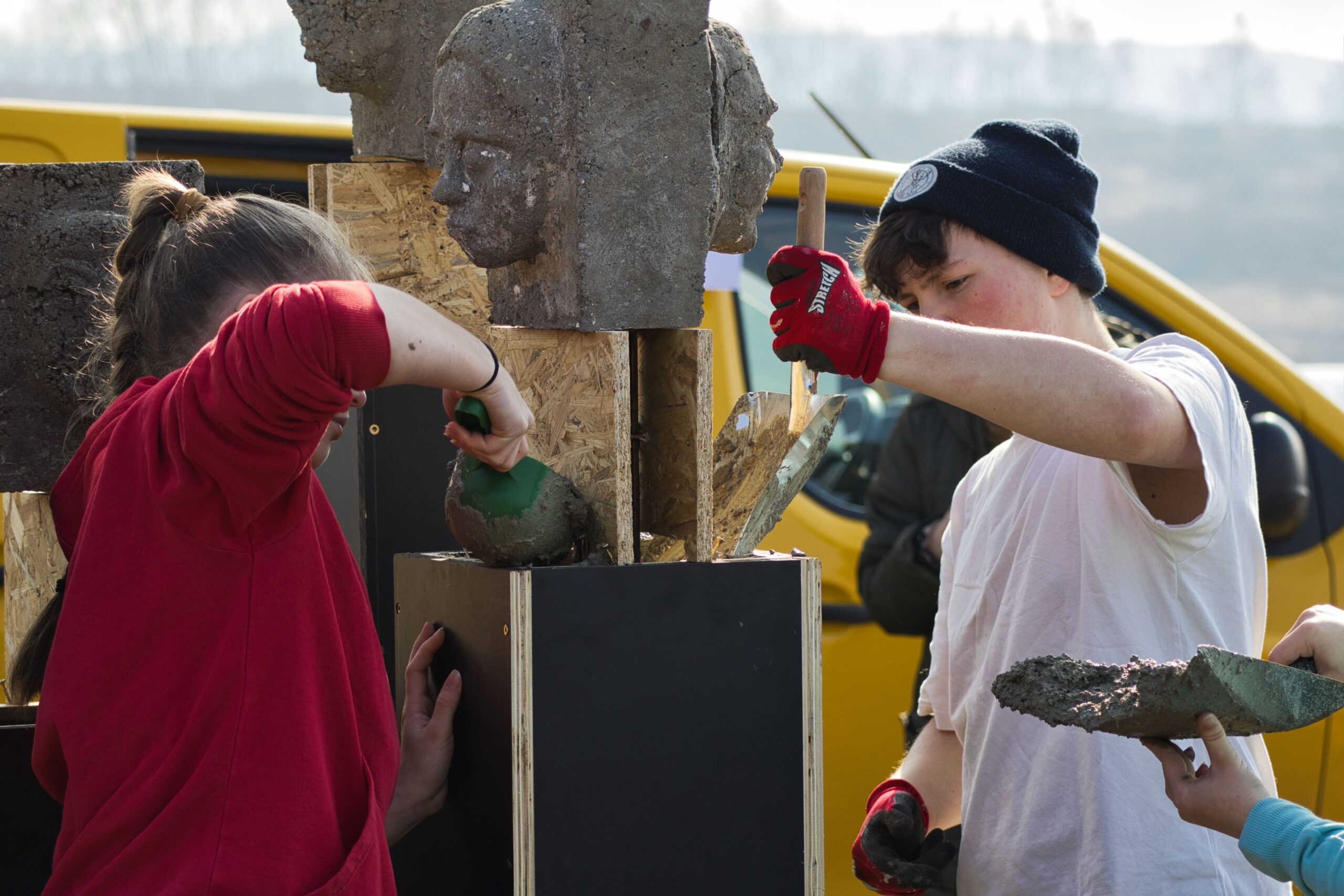
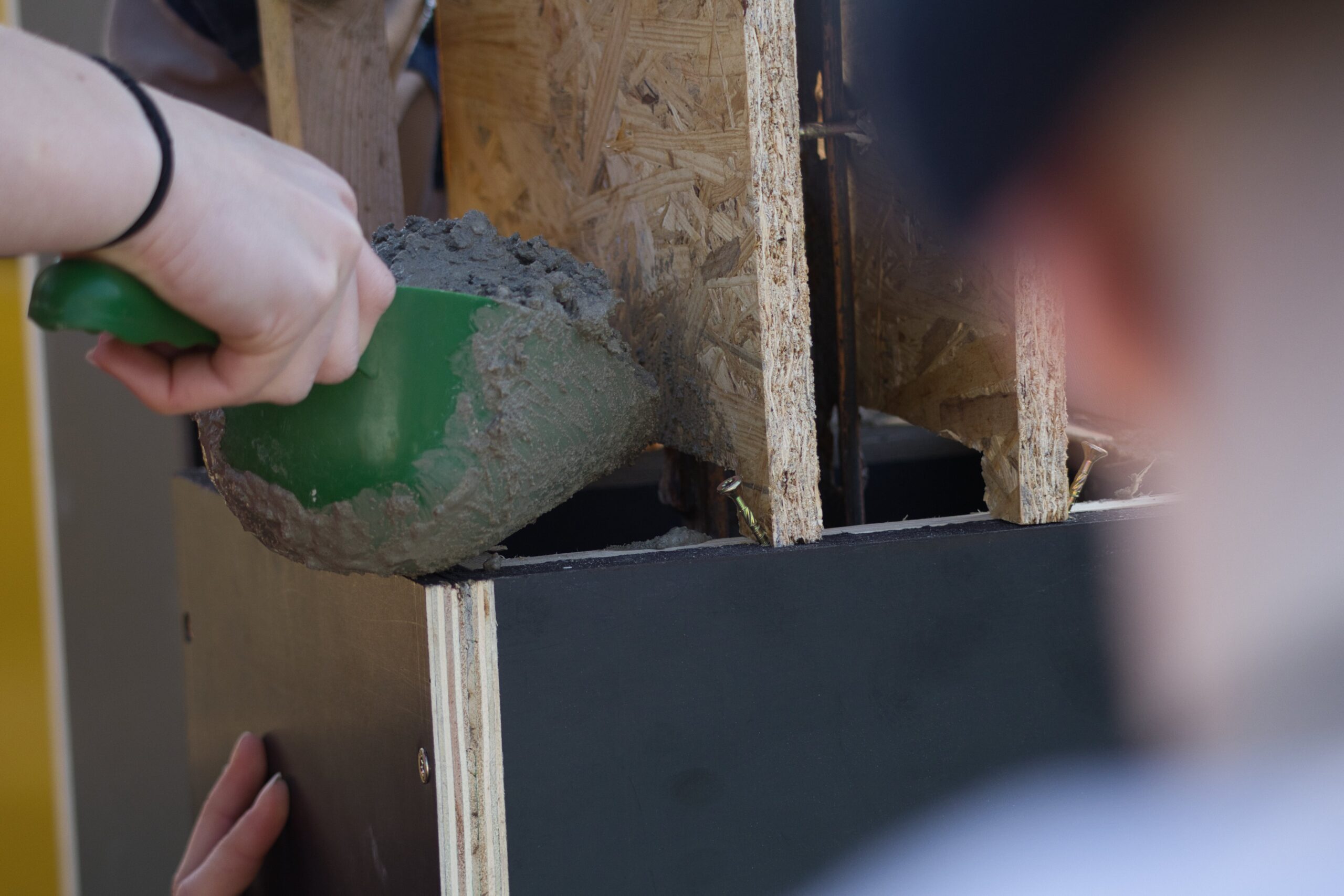
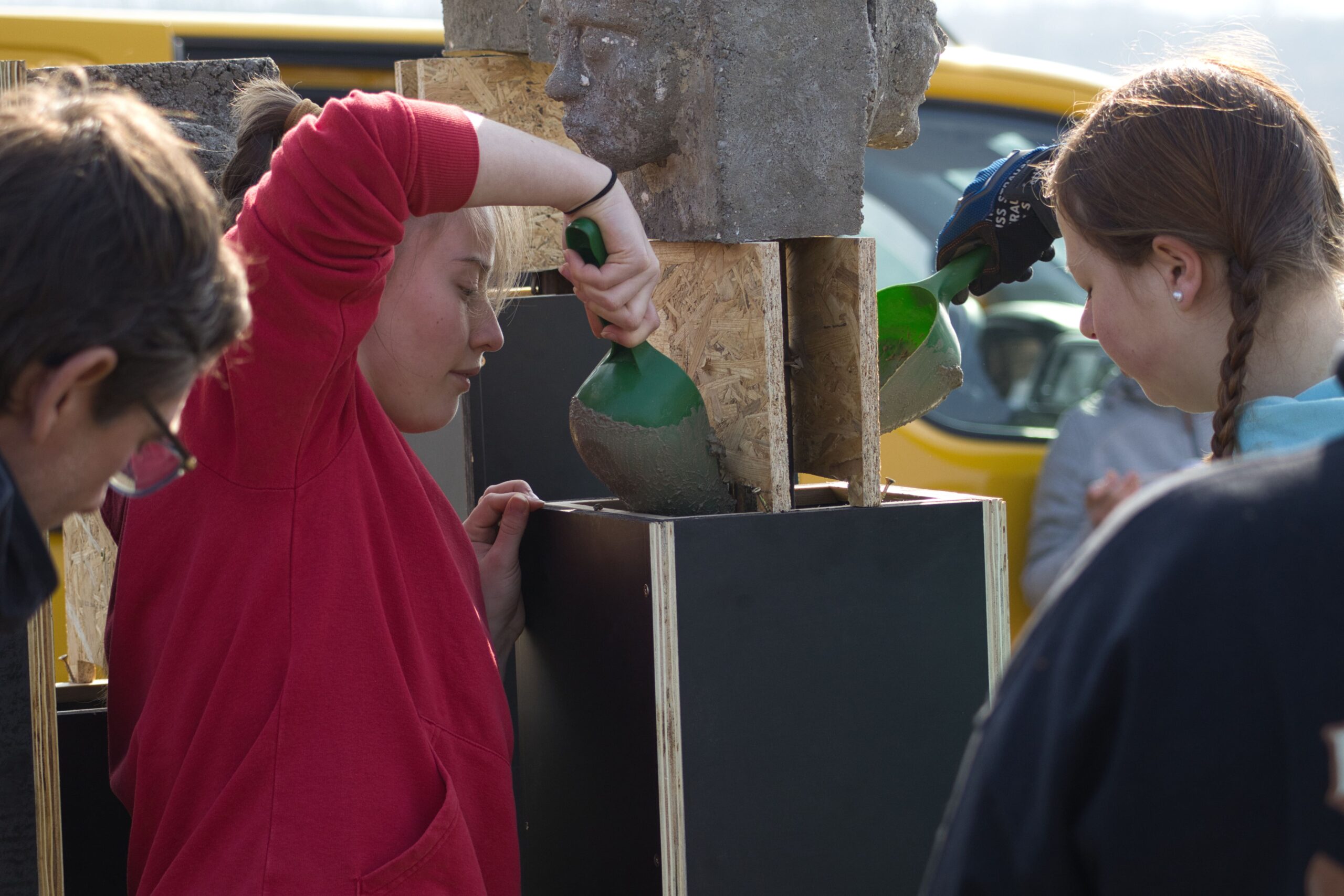
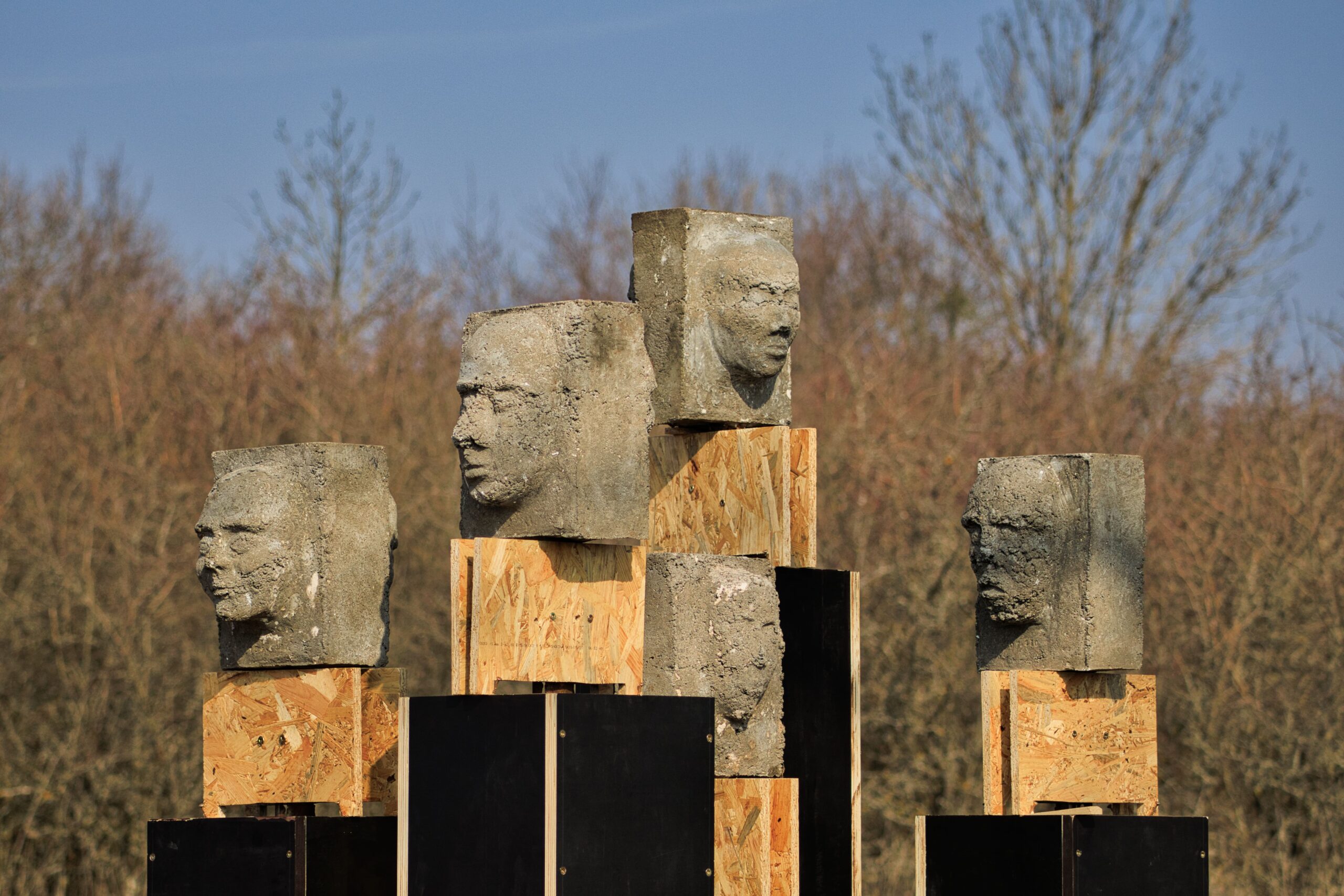
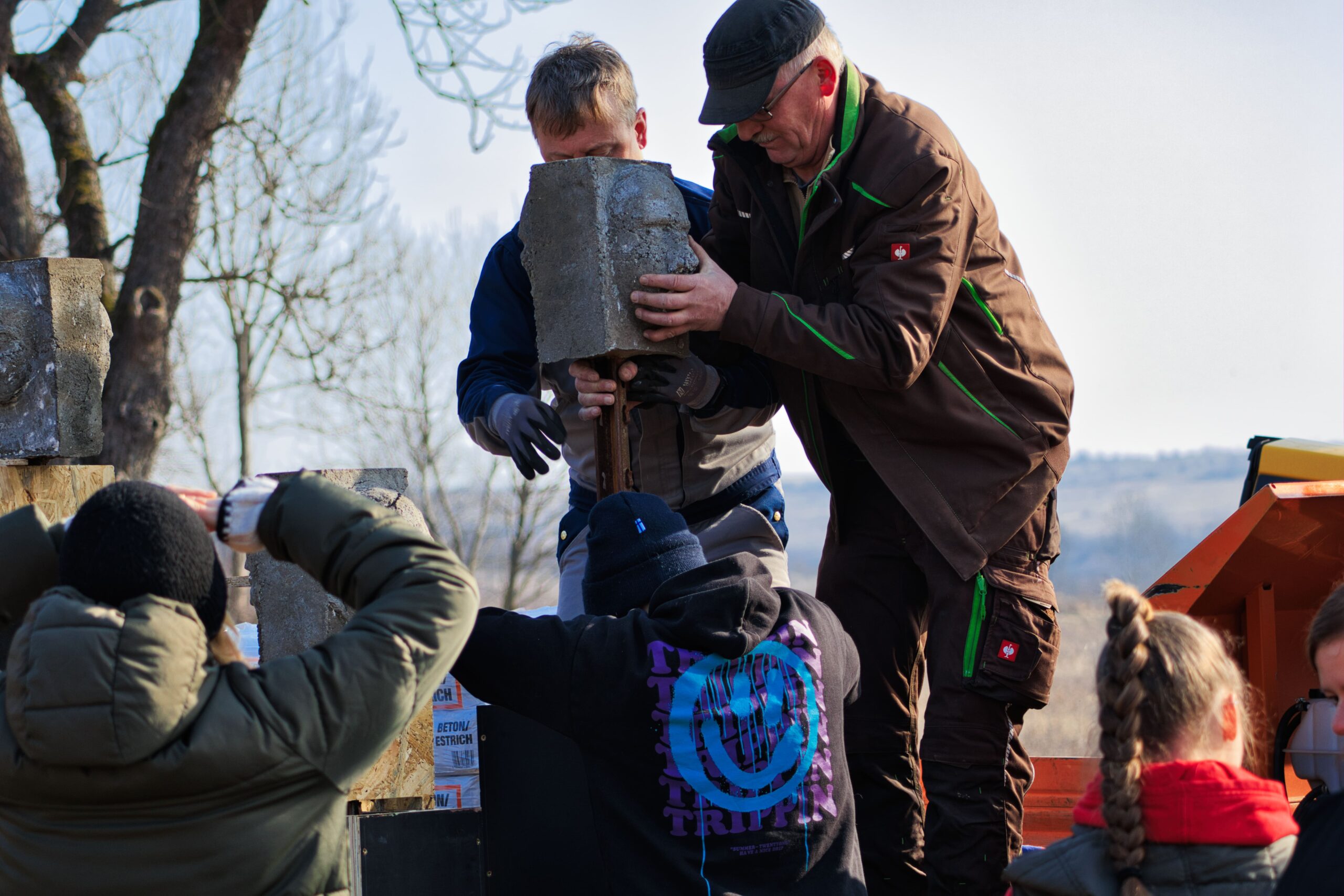
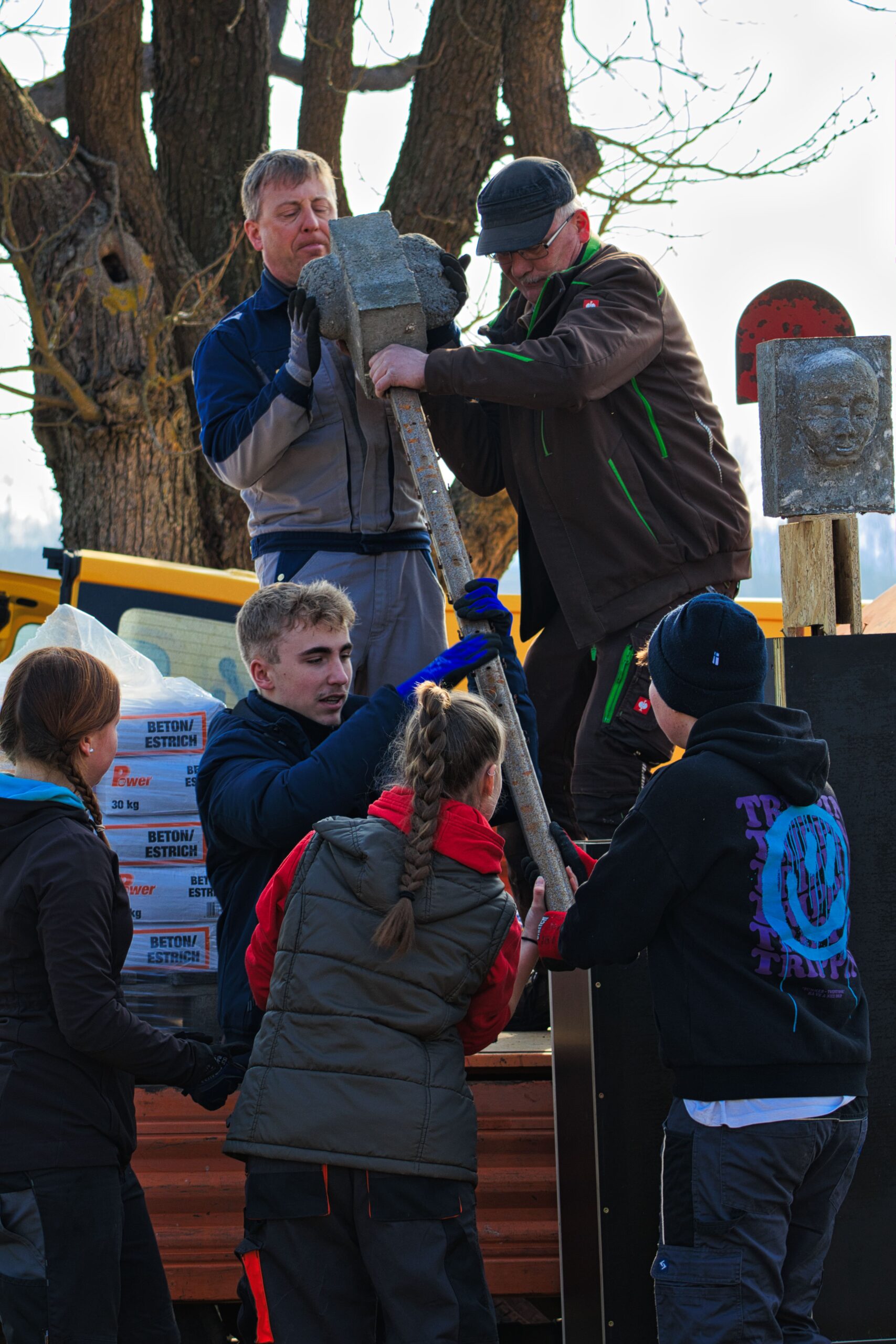
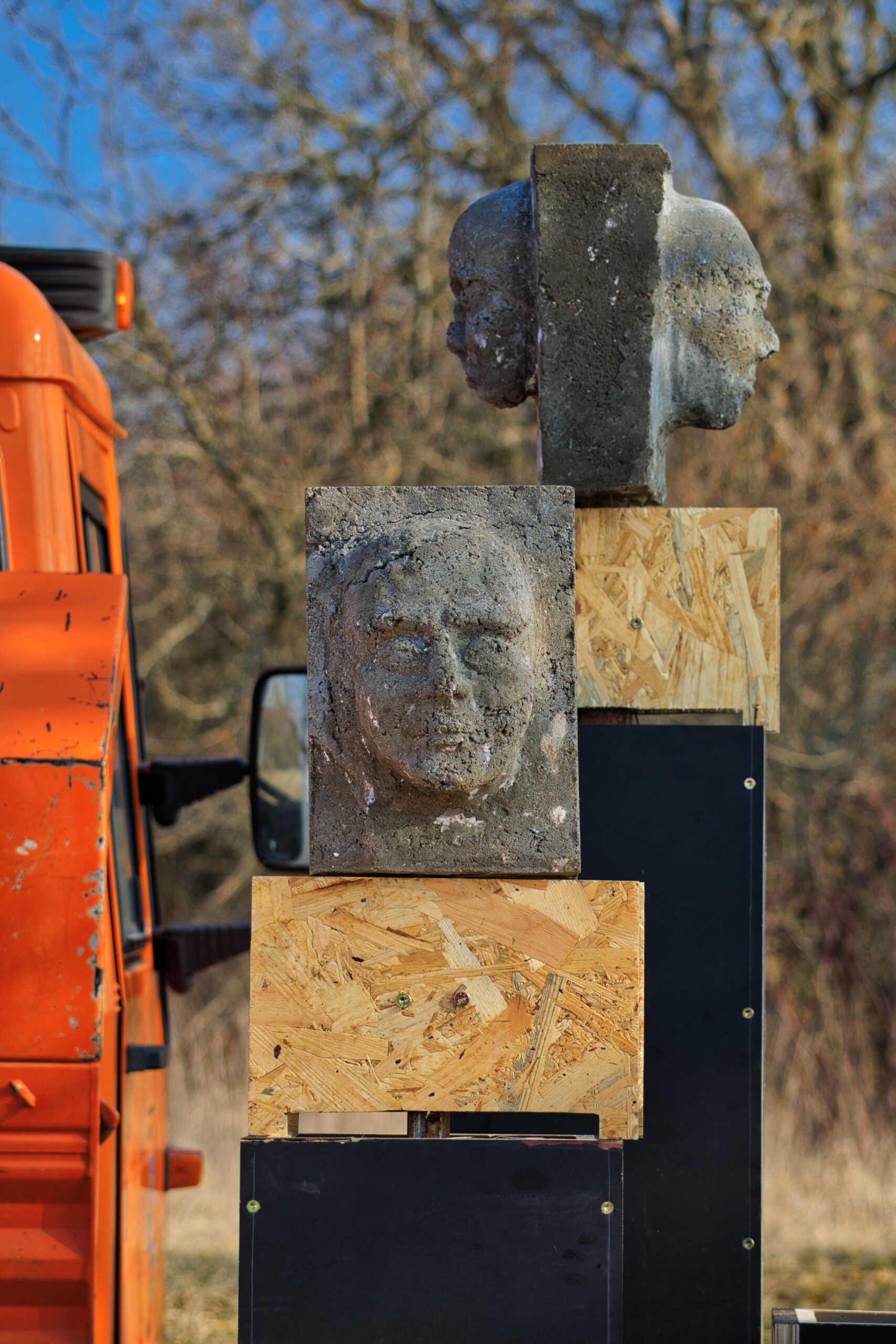
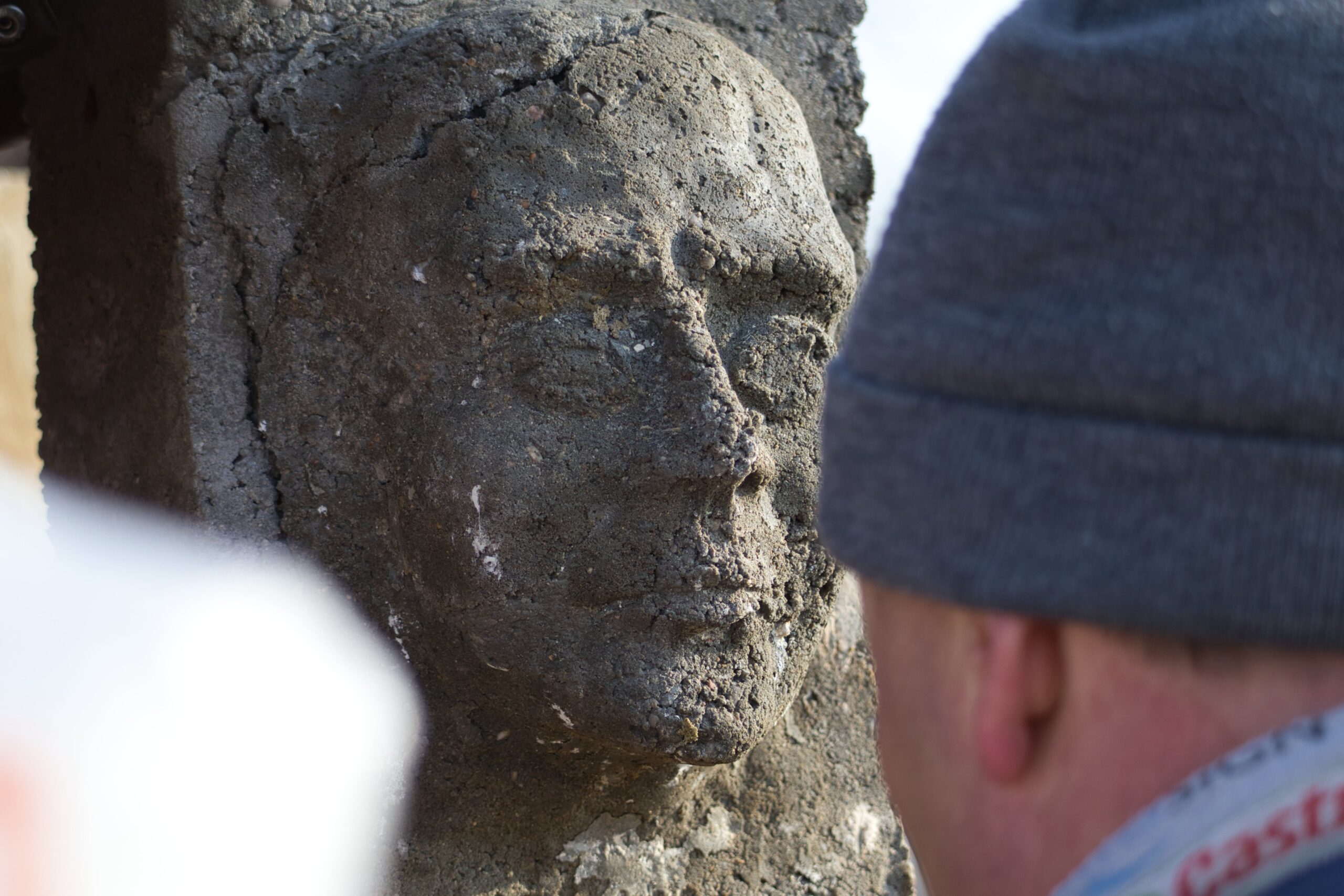
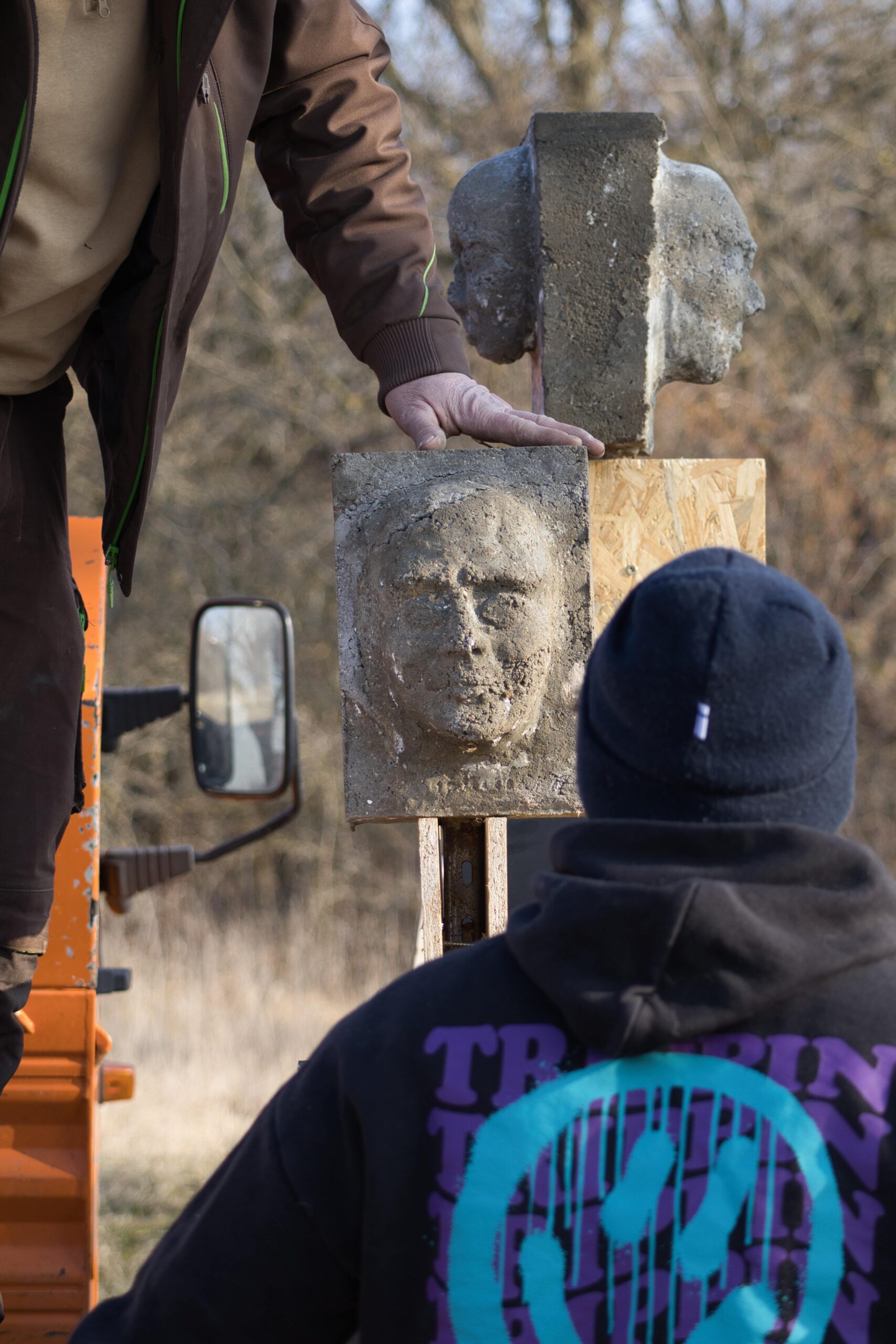
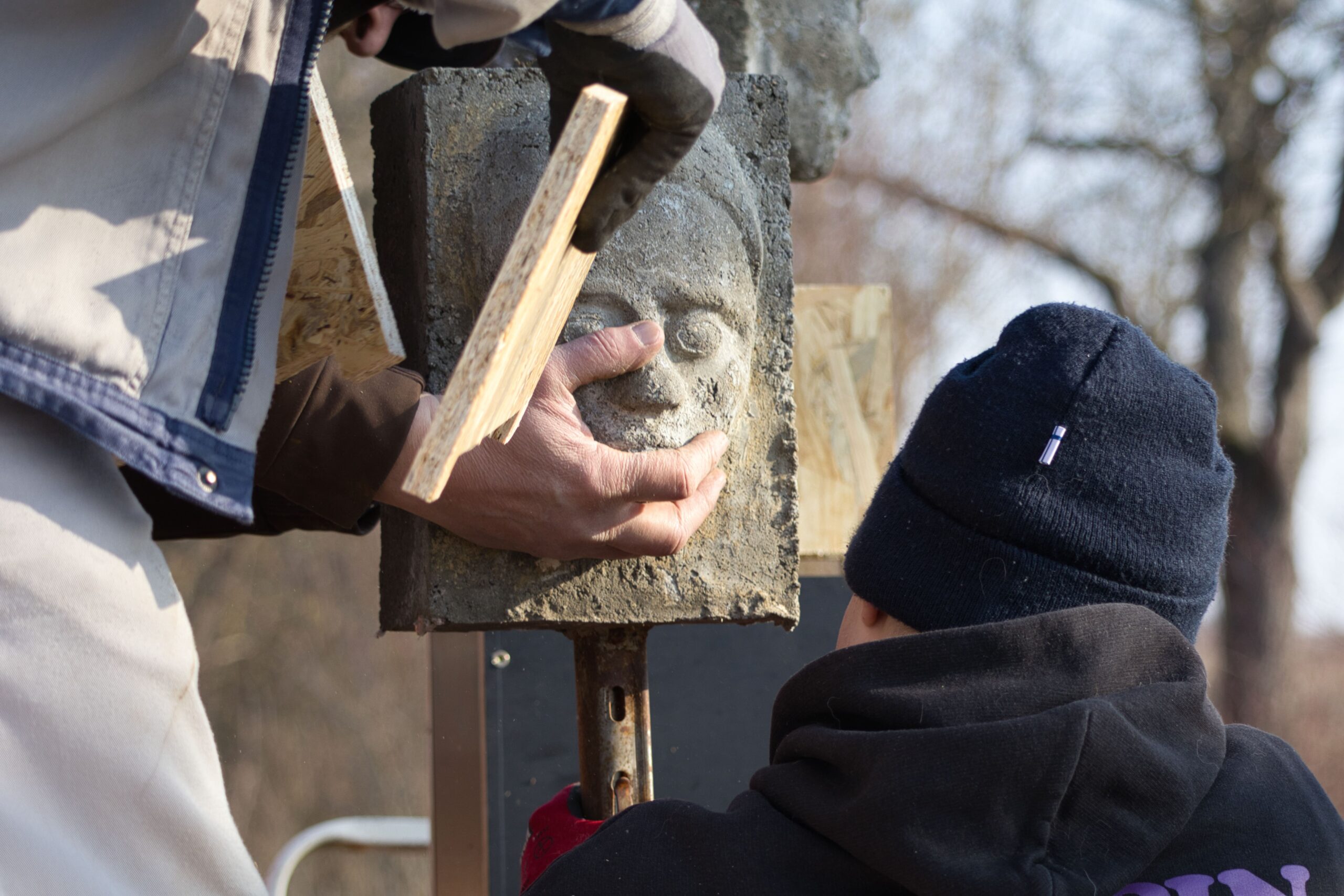
In the 2024/25 school year, impressive groups of concrete figures were created as part of the “Path of Remembrance” project at Gleichense High School to commemorate the victims of the Nazi satellite camp S III Ohrdruf. Each group of figures consists of three to five people high concrete sculptures that are characterized by a powerful, reduced formal language. A concrete base, a metal stele and a concrete block resting on it with two reliefs facing each other form the characteristic basic structure of each individual sculpture.


The works were inspired by biographies of former prisoners, which the pupils researched intensively. The resulting facial reliefs express the suffering, the pain, but also the dignity of the victims. Despite their abstract design, the faces reveal human features – they are impressive reminders without individualizing and thus represent the tens of thousands of people who were deported to Camp S III, deprived of their rights and forced to work under inhumane conditions.


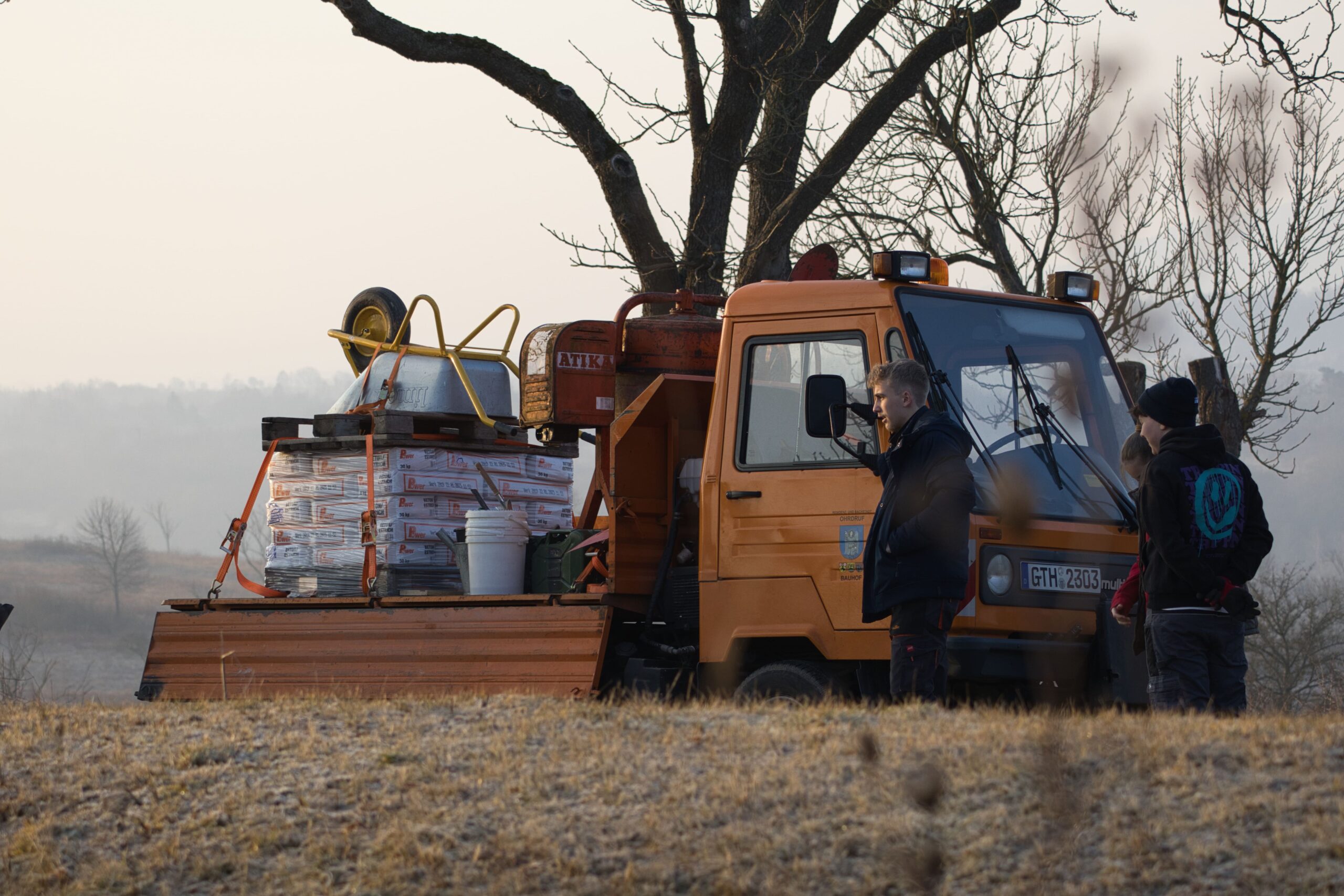
With their deliberately reduced formal language, the sculptures encourage people to engage with them – they enable an “encounter” with the past and open up a space for empathy. These groups of figures will be erected at the sites of Subcamp S III – the former camp grounds on the military training area, the ammunition weapons factory, Jonastal and Espenfeld – thus creating a visible path of remembrance.

Saskia Benger- Neumann with Péter Füzi (grandson of Benedek Sátori, former prisoner of the S III camp) at the public presentation of the "Encounter" figure groups during the commemorative event on the 80th anniversary of the liberation of the Ohrdruf military training area.

Historical background

The Ohrdruf military training area has a long and eventful history. The area has been used for military purposes since the 19th century and played an important role for training and troop movements in various eras.

Biographies of former prisoners

Walter Heinrich Georg Roth

Walter Heinrich Georg Roth was born on June 19, 1914 in Oberursel near Frankfurt.
Walter Heinrich Georg Roth (1914-1945)

Walter Heinrich Georg Roth was born on June 19, 1914 in Oberursel near Frankfurt. He was a slim, 168 cm tall man with black hair and dark brown eyes; he was missing three teeth. Roth was single, Protestant and worked as a driver.

On May 24, 1943, he was taken into protective custody for political reasons. A few months later, on September 20, 1943, he was sent to a concentration camp. He was registered there under the prisoner number 20993.

He was eventually deported to Ohrdruf subcamp (S III), part of the Buchenwald concentration camp complex, where he was forced to work under the harshest conditions.

Walter Roth fell seriously ill: he suffered from circulatory insufficiency and gastrointestinal catarrh – typical symptoms caused by hunger, exhaustion and unsanitary conditions. He died in Ohrdruf at 7:45 a.m. on February 14, 1945, just a few weeks before the camp was liberated by US troops.

Walter Roth’s fate is exemplary for the many political prisoners who were disenfranchised, humiliated and ultimately murdered as opponents of the Nazi regime. His life reminds us to this day to keep the memory of these victims alive and never to conceal injustice.

Nikolaas Droog

Nikolaas Droog was born on July 15, 1920 in Roermond, Netherlands.
Nikolaas Droog (1920-1945)

Nikolaas Droog was born on July 15, 1920 in Roermond, the Netherlands. He was a tall, slim man with blond hair and blue eyes. He was a pharmacist by profession, deeply rooted in the Christian-Catholic faith. He was single and childless.

On August 27, 1943, Droog was arrested by the Gestapo in Berlin for political reasons. He was initially sent to Sachsenhausen concentration camp, where he was registered on November 27, 1943. From there, he was later deported to Buchenwald concentration camp and given the prisoner number8747. At the beginning of 1945, he was sent to Ohrdruf satellite camp (S III), the first concentration camp on German soil to be liberated by the US Army. There he was only known as a number – his name had been erased.

In Ohrdruf, he had to perform forced labor under inhumane conditions, mostly in the construction of tunnels and road building. The prisoners suffered from hunger, cold, brutal violence and catastrophic hygiene. Those who were too weak were killed or died of exhaustion and disease.

Nikolaas Droog probably died on March 18, 1945, just a few weeks before the liberation by US troops.

Nikolaas Droog is representative of the many young men from the occupied countries who were deported to Germany as political opponents, resistance fighters or forced laborers and systematically exterminated in the camps. His name reminds us today not to conceal injustice and to keep remembrance alive.

After the war, his story was forgotten. It was only through the research of his nephew, the Dutch author Bart FM Droog, that his fate was made visible again. In an impressive audio slide project by the Friedenstein Gotha Castle Foundation, his life is told in pictures and texts as a reminder against forgetting.


Petro Mishchuk

Petro Mishchuk was born on July 10, 1926 in Kysylyn in the former Soviet Union, in what is now western Ukraine.
Petro Mischtschuk - Survivor of the Ohrdruf satellite camp

Petro Mishchuk was born on July 10, 1926 in Kysylyn in the former Soviet Union, in what is now western Ukraine. As a teenager, he was caught up in the mills of Nazi occupation policy: in 1942, at the age of just 14, he was arrested in the forest as a suspected partisan. Deportation followed – first to a ghetto, later to Auschwitz.

From there, he was deported to various camps, including Berlin and near Magdeburg. On March 9, 1944, he was sent to Buchenwald concentration camp as a forced laborer. There he was given the prisoner number 105105 and was soon transferred to the notorious Ohrdruf satellite camp (S III).

In Ohrdruf, Petro Mischtschuk was subjected to unimaginable suffering. He was forced to do forced labor – for example, laying miles of barbed wire or hauling heavy boulders to build tunnels in the Jonastal valley. His daily diet consisted of spinach water and turnips. He had to stack dead fellow prisoners in barracks and witnessed how SS men broke gold teeth out of the mouths of the deceased.

At the beginning of April 1945, Petro and thousands of other prisoners were sent on a so-called death march back to Buchenwald and on towards Sachsenhausen. Many died on the way from hunger, cold or being shot. Petro only survived by chance and necessity – thanks to collected beechnuts and the compassion of individual villagers.

He was liberated shortly before the end of the war. Originally, the prisoners were to be drowned in the sea on the coast – but American troops intervened in time. After his liberation, Petro Mishchuk returned to his homeland on foot.

He is still active as a contemporary witness today. In Ukraine and Thuringia, particularly in the Gotha and Arnstadt areas, he talks about what happened. He worked with memorial sites and the Jonastal Association and made his experiences available to film projects and school classes.

Petro Mischtschuk is one of the last known survivors of the Ohrdruf camp. His voice is a powerful testimony to the suffering of countless victims – and an appeal to future generations to stand up for truth, humanity and remembrance.


Video interview: Petro Mishchuk as a contemporary witness

  • Title: Contemporary witness interview with Petro Mischtschuk – memories of the Ohrdruf camp
  • Length: 35 minutes
  • Languages: Ukrainian with German subtitles
  • Content: Mishchuk gives a vivid account of his deportation, everyday life in the Ohrdruf camp, the death marches and his liberation.
  • Published by: Stiftung Schloss Friedenstein Gotha / Thuringian State Agency for Civic Education
  • YouTube link: https://www.youtube.com/watch?v=9vurKLiJnyA

Max Kannewasser

Max Kannewasser, born on September 24, 1916 in Amsterdam, was a Jewish musician and singer.
Max Kannewasser (1916-1945) - Swing, persecution and resistance
Upload/Select an audio or use external audio url to work this widget.

Max Kannewasser, born on September 24, 1916 in Amsterdam, was a Jewish musician and singer. Together with his cousin Arnold “Nol” van Wesel, he formed the popular jazz duo Johnny & Jones, which enjoyed great success on Dutch radio from the mid-1930s with swinging rhythms and humorous lyrics. The two were regarded as the Dutch answer to the American Andrews Sisters – charming, modern and musically virtuosic.

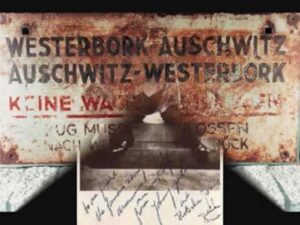
After the occupation of the Netherlands by the National Socialists in May 1940, Jewish artists were only allowed to perform in front of Jewish audiences from 1941 onwards. In 1943, even this was finally forbidden. On October 9, 1943, Max Kannewasser, Arnold van Wesel and their wives were arrested in Amsterdam. They were deported to the Westerbork camp, where they had to perform forced labor – including dismantling crashed planes. Despite everything, they secretly recorded six songs there in 1944, including the well-known WesterborkSerenade ” – a poignant musical document of the Jewish will to survive.

The deportations from Westerbork began in September 1944. Max and Nol were deported via Theresienstadt, Auschwitz and Sachsenhausen to the Ohrdruf subcamp (S III) – a brutal place of forced labor. There they had to help build tunnels in the Jonastal valley under inhumane conditions.

In March 1945, they were transported on to Bergen-Belsen. Arnold van Wesel died there on March 20, 1945, presumably from exhaustion or illness. Max Kannewasser survived until April 15, 1945 – one day after the camp was liberated by British troops. The official cause of death was typhus, but he ultimately died as a result of persecution, violence and dehumanization.

Today, the music world and the culture of remembrance remember Max Kannewasser as an artist who confronted barbarism with wit, swing and dignity. His songs, especially those from Westerbork, are musical testimonies to resistance and remembrance.

Westerbork Serenade – historical sound recording


Marcel Joseph Jules Michelin

Marcel Joseph Jules Michelin was born in Paris on January 12, 1886.
Marcel Joseph Jules Michelin (1886-1945) - entrepreneur, resistance fighter, victim

Marcel Joseph Jules Michelin was born in Paris on January 12, 1886. He was the son of André Michelin, co-founder of the famous Michelin tire company, and himself a committed industrialist, entrepreneur and promoter of sport. As the inventor of the “Micheline” (light rail vehicles with rubber tires) and founder of the AS Montferrand rugby club (now ASM Clermont Auvergne), he had a lasting influence on the French economy and sport.

During the German occupation of France in the Second World War, Marcel Michelin actively supported theFrench resistance. He hid people in hiding, helped with logistics and sabotaged Nazi interests. In July 1943, he was arrested together with his son Jacques in Clermont-Ferrand.

On January 24, 1944, Marcel Michelin was deported to Buchenwald concentration camp, where he was given the prisoner number42867. He initially survived several selections there, as he was temporarily deployed in the administration and in the district. He escaped several transports to the hardest labor detachments – but on 9 January 1945 he was finally transferred to the Ohrdruf satellite camp (S III).

In Ohrdruf, he had to build tunnels and underground facilities for the so-called “Special Construction Project III” under inhumane conditions. Marcel Michelin was barely physically able to work there.

On January 22, 1945, Marcel Michelin died in Ohrdruf, completely exhausted and starving – just a few weeks before the liberation by US troops.

After the war, his commitment was honored: the rugby stadium in Clermont-Ferrand has borne the name Stade Marcel-Michelin since 2003. Michelin also commemorates him in company stories and memorial ceremonies.

His fate is representative of the many resistance fighters who gave their lives for their convictions, regardless of their social status or wealth.

Benedek Sátori

Benedek Sátori, who presumably died in Camp S III, was honored by his grandson Péter Füzi in 2024-2025.
Benedek Sátori (1897-1944)

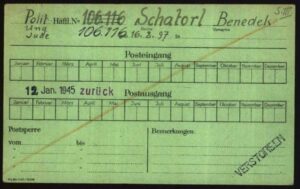
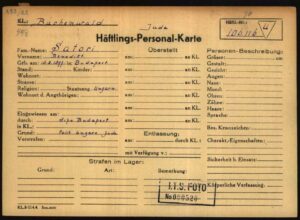
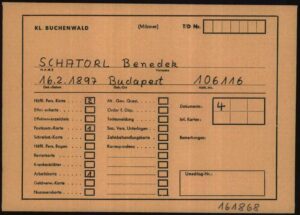
Benedek Sátori was born in Budapest on February 16, 1897. He came from Hungary and was of Jewish origin. In the 1920s, he worked as a secretary and led an orderly life. He was the father of a daughter named Adél, whom he supported financially and with whom he maintained a close relationship.

In 1944, he was drafted into the Hungarian labor service and deported to the Balf labor camp on the western border of Hungary. His last certain sign of life is a postcard dated December 7, 1944.

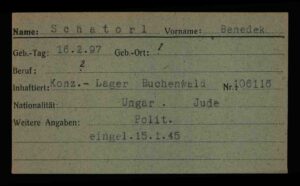
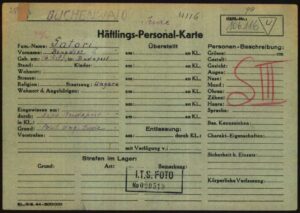
On January 15, 1945, Benedek Sátori was registered in camp complex S III near Ohrdruf. He was given the prisoner number 106 116, but no earlier entry or old prisoner number has survived. No exact block or work area within Camp S III is documented. He was later noted on the card as “deceased”. However, the exact time and place of his death could never be established beyond doubt. He probably did not survive the conditions of the camp and died at the beginning of 1945 during the extreme forced labor or the evacuation phase.

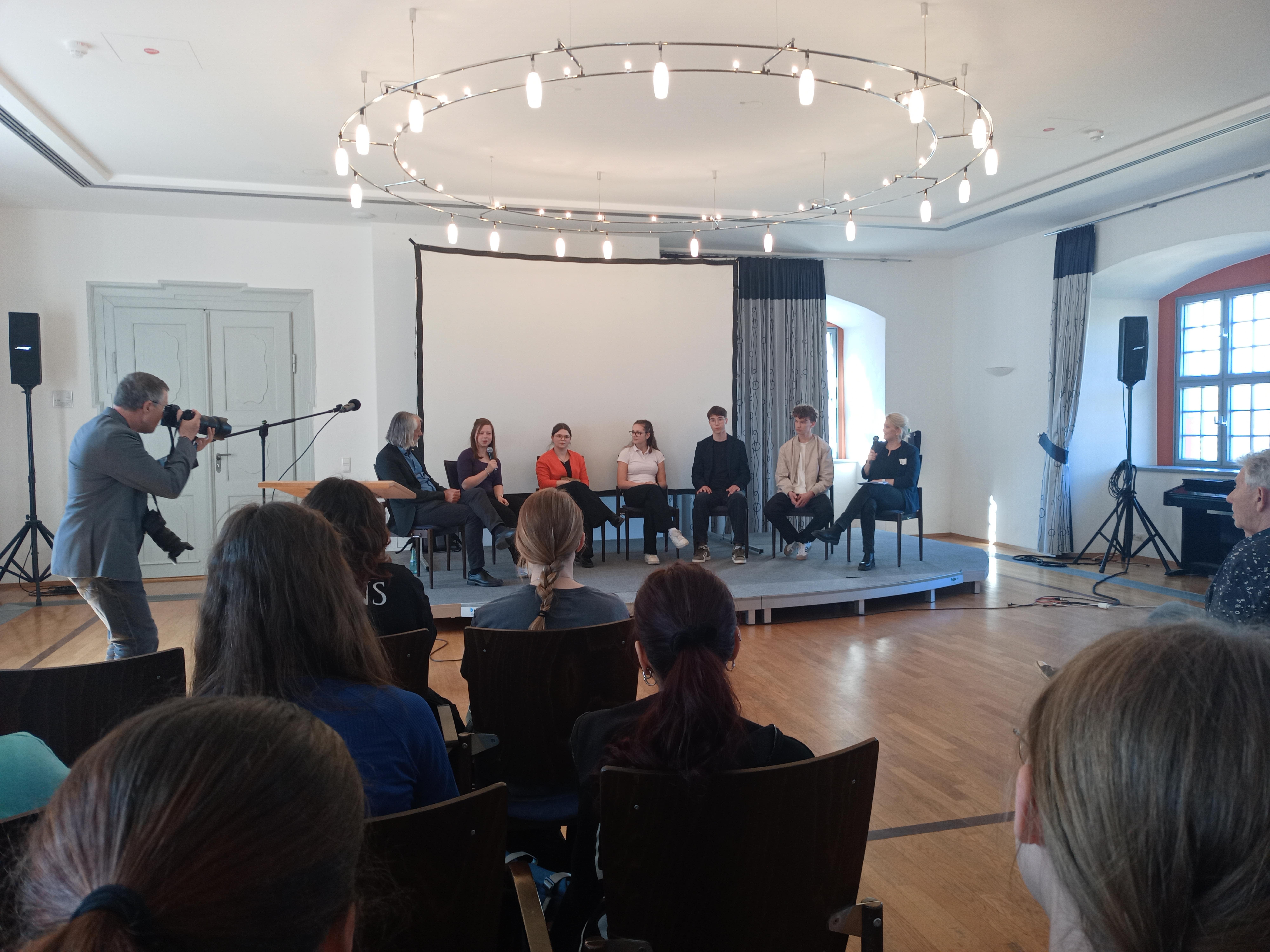
His grandson Péter Füzi commemorated him in 2024 by planting a wildflower in Jonastal – not far from the former camp site – in his memory. He also took part in a second-witness talk at Gleichense Grammar School and on 4 April 2025, Péter Füzi was present at the opening of the “Encounter” sculpture group on the former military training area to honor the memory of his grandfather and the victims of Camp S III.