Between Ohrdruf and Arnstadt, where the Nazi subcamp S III brought unimaginable suffering, the Path of Remembrance leads to the traces of the past
Path of remembrance – A growing monument against forgetting
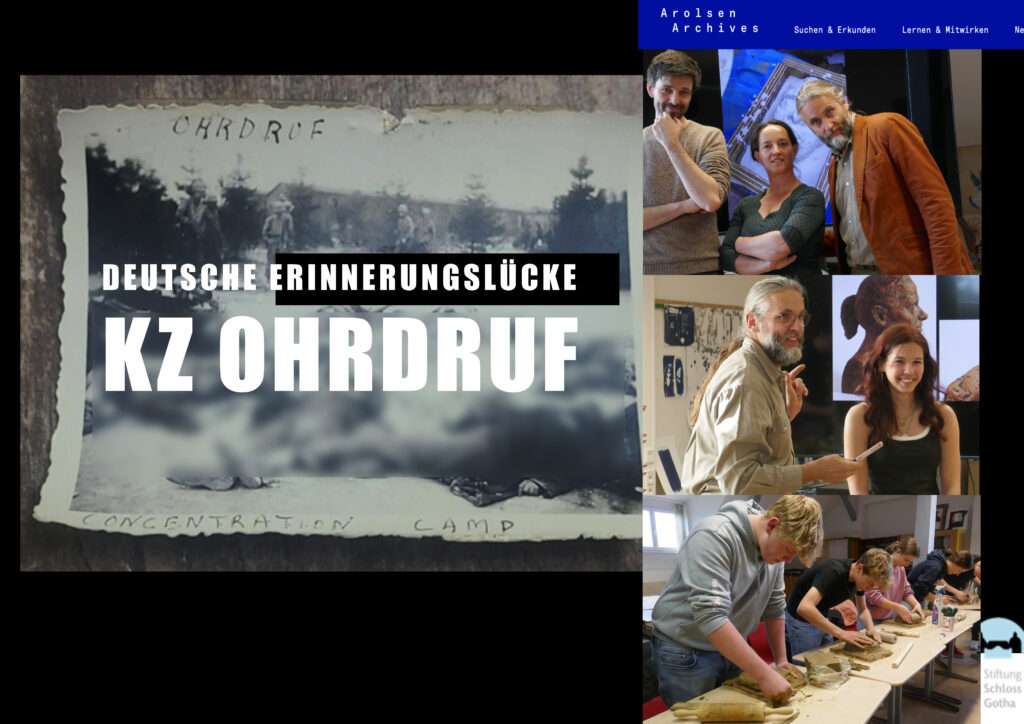
The Path of Remembrance project is an initiative of Gleichense High School, which emerged from the collaboration with historian Dr. Christoph Mauny and his research project “Erinnerungslücke KZ Ohrdruf” (Ohrdruf Concentration Camp Remembrance Gap ) and the Arolsen Archives. Art teacher Saskia Benger-Neumann and her pupils have set themselves the goal of making the sites of the former Ohrdruf concentration camp complex – including Crawinkel, Jonastal and Espenfeld – visible again and consciously giving space to their historical significance as places of suffering and inhumanity.
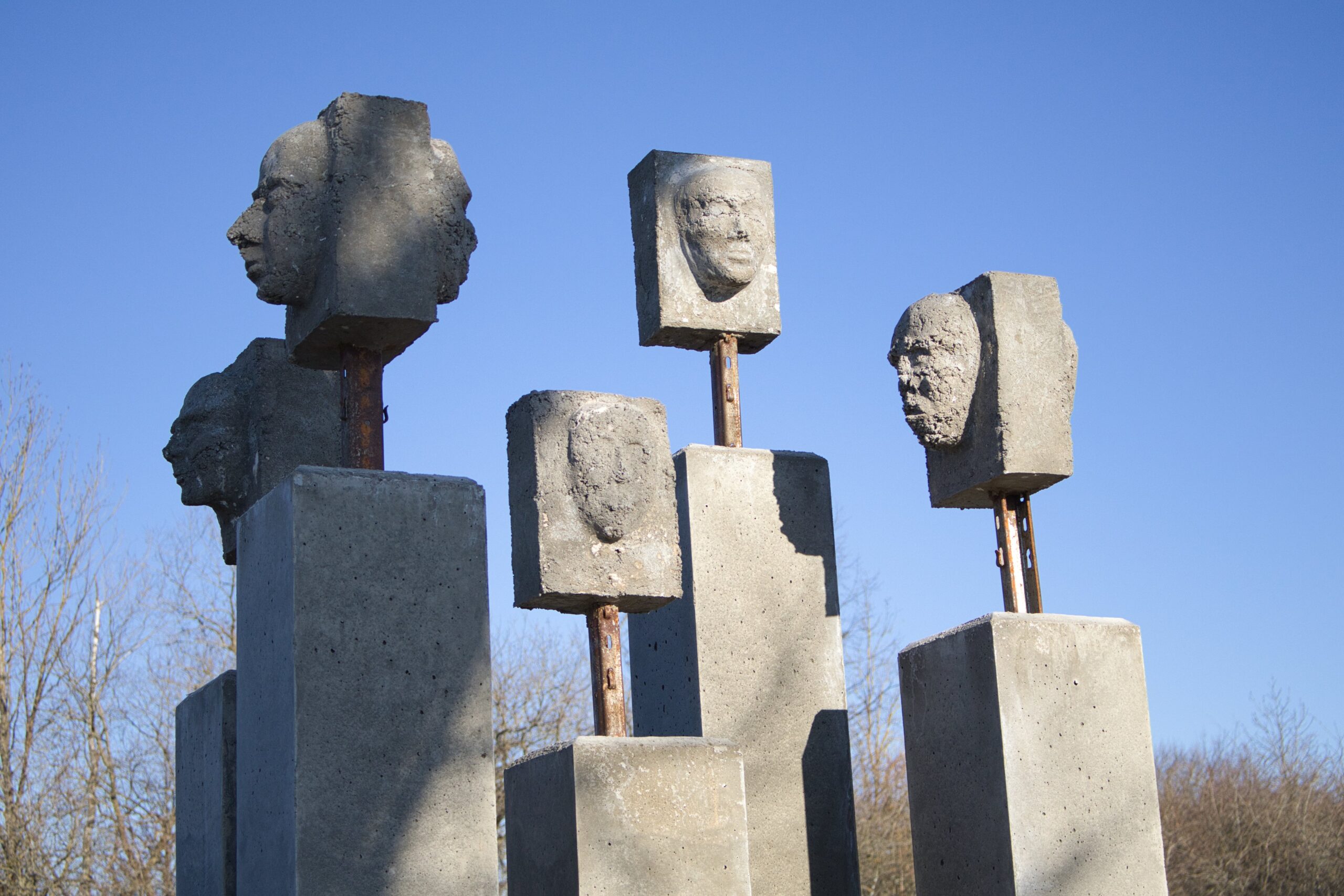
Today, these places are barely recognizable as places of horror. In many places, their history has been covered up, forgotten or suppressed. To counteract this, pupils from Gleichense High School have set themselves the task of remembering the former prisoners through artistic interventions on site – individually, emotionally and tangibly.
The Path of Remembrance is a growing memorial: every year, Year 9 pupils design new contributions that creatively address the events at the respective location. This results in works of art, installations and texts that are accessible to the public and invite people to engage with the past.
This website accompanies the project digitally. It offers mobile access to historical information, background information and biographical references to individual prisoners, who are named as examples – but in memory of all those who suffered, died or survived here.
Step by step, a path is being created that not only documents the past, but makes it tangible – supported by young people who take responsibility for what was and what must never be again.
The school thus takes active responsibility for living remembrance work. The continuous development of the project creates a path that connects the individual stations of the former concentration camp complex and preserves the fate of the prisoners in the collective memory. In this way, a place of forgetting becomes a space of remembrance – designed by young people in a dialog with history.